
Features.
Features and interviews. Essays, decodes, and genre primers. Listening guides for new fans. One new piece every day, on each of the eight artists in rotation.

Paraíso by Santiago Fuego: the bass beneath the heat
Paraíso by Santiago Fuego sounds sunlit, but its real architecture is subterranean: kick, sub-bass, and clipped vocal doubles create a dancefloor engine beneath the album’s tropical color. Across eighteen tracks, the production makes restraint feel physical.

Modern Conscious Rap: Kairo West and the Weight of Witness
Modern conscious rap has outgrown the opposition between message and momentum. On Baldwin Bus Receipt, Kairo West places baritone testimony inside trap’s clipped machinery, treating tenderness, ambition, and private burden as material for a Southern record that refuses to simplify either the street or the self.

Velvet by Opal Sinclair, decoded track by track
Velvet by Opal Sinclair treats intimacy as a production language rather than a subject: sixteen one-word textures, voiced in a warm mezzo-soprano and arranged with brushed drums, sparse jazz piano, and analog haze. Track by track, the album turns softness into structure.

Tide Clock by Nova Driftwood: Five Questions
Tide Clock by Nova Driftwood treats restraint as its loudest instrument: sixteen tracks, no rush toward a peak, and a twelve-hour arc that turns deep house into a study of motion, memory, and the long way home.
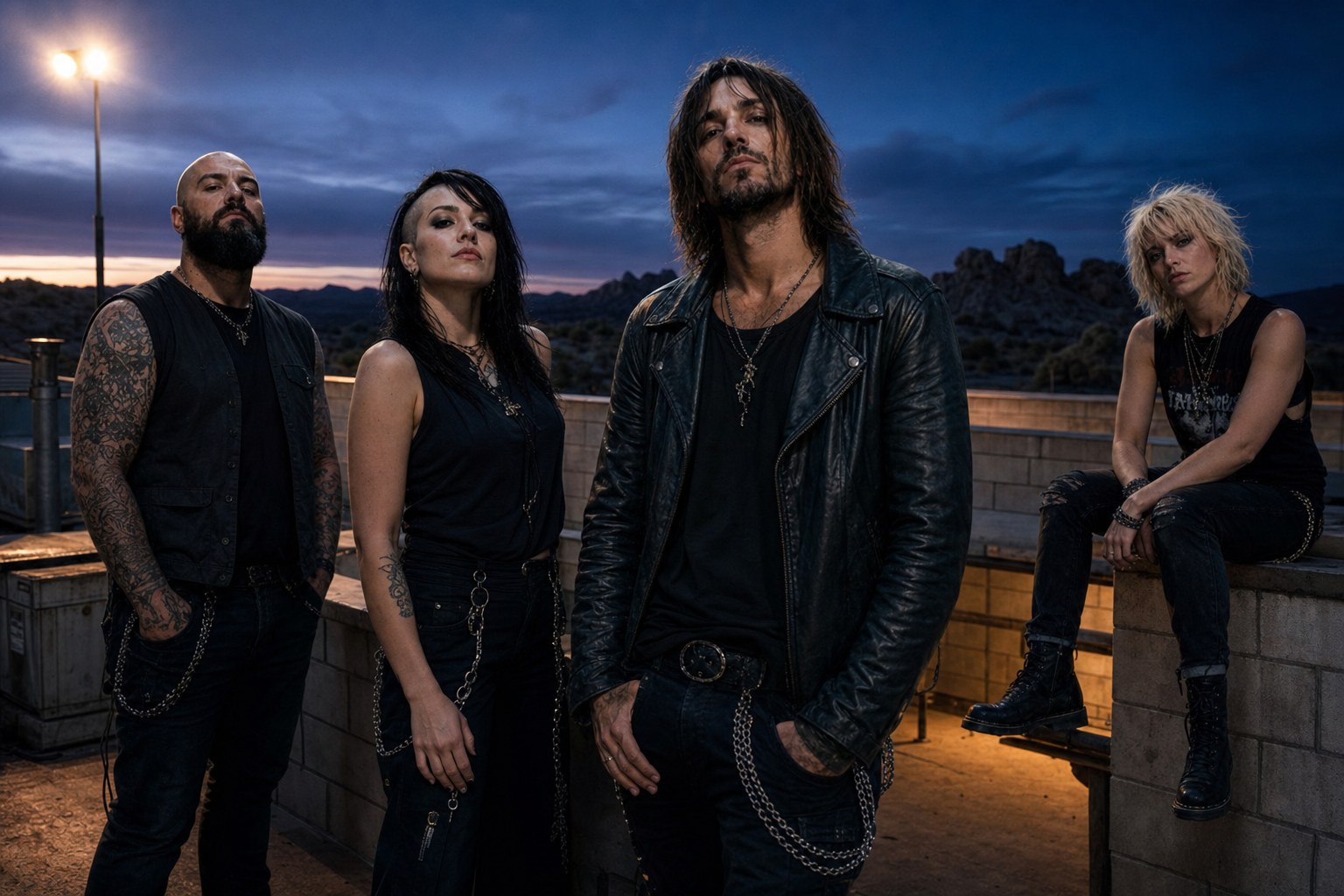
Gasoline Hymn by Viper Junction: Desert Rock With Teeth
Gasoline Hymn by Viper Junction treats desert rock less like a landscape than a moral pressure system: every riff has to survive heat, distance, and belief. Across sixteen tracks, the Joshua Tree, CA band turns garage abrasion into stadium scale without sanding down the grit.

Solstice Light by Lyra Voss: Where It Belongs on Screen
Solstice Light by Lyra Voss sounds less like a conventional debut than a ready-made language for images: electric pulse, midnight light, machine-prayer hush. Its strongest screen placements aren't obvious club scenes, but moments when private feeling has to become architecture.

GLITCH by Prism Five: 5 records to hear first
GLITCH by Prism Five doesn’t ask you to choose between polished K-pop spectacle and electronic-pop abrasion. The seventeen-track debut treats both as parts of the same machine, and these five records trace its clearest lines: maximalist hooks, edited voices, strange transitions, and choreography-minded momentum.

The Last Porch Light album: why silence carries the songs
The Last Porch Light album makes restraint feel heavier than volume. Jesse Cole Beckett’s sixteen songs use brushed drums, acoustic guitars, slide steel, and a baritone that leaves air around each confession, turning the space between chapel and bar into the record’s most expressive instrument.

Modern Reggaeton 2026: Santiago Fuego's Paraíso
Modern reggaeton 2026 isn't defined by a single drum pattern or a Puerto Rican throwback. Santiago Fuego's Paraíso shows how the genre now absorbs tropical house, salsa phrasing, and Latin pop without softening the pressure of the dembow.

Baldwin Bus Receipt production: the weight of the 808
Baldwin Bus Receipt production treats low end as emotional architecture, not decoration. Kairo West’s debut uses Atlanta trap drums, gospel-soul gravity, and a baritone vocal kept close enough to make every pause feel like part of the beat.

Velvet by Opal Sinclair and the New Intimacy Economy
Velvet by Opal Sinclair arrives in a culture trained to confuse loudness with emotional scale. Across sixteen one-word tracks, the Atlanta, GA singer makes restraint feel physical: brushed drums, sparse jazz piano, analog haze, and a mezzo-soprano that keeps intimacy at the center of the frame.
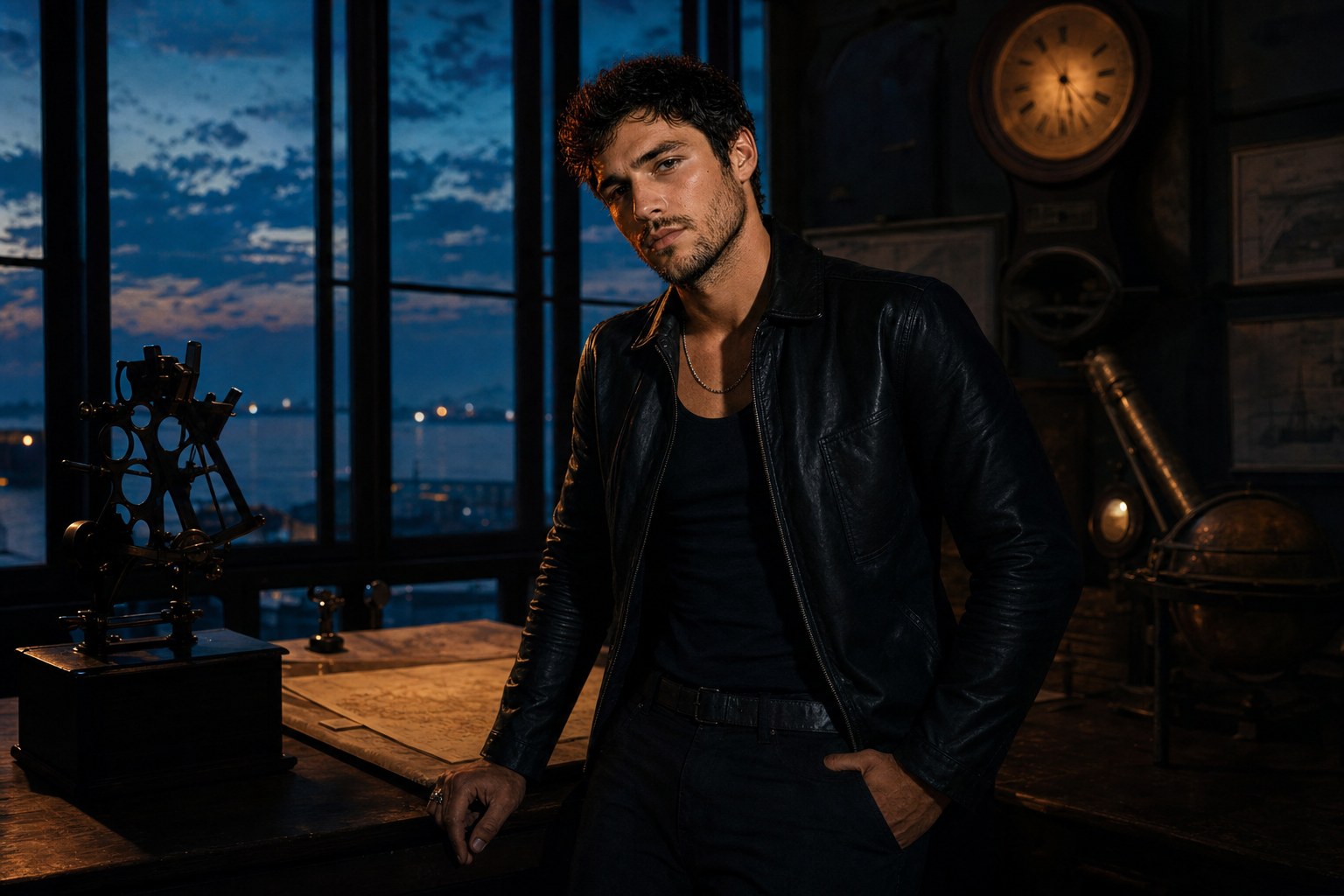
Tide Clock by Nova Driftwood, track by track
Tide Clock by Nova Driftwood treats the album as a single moving body rather than sixteen separate tracks. Its deepest trick is restraint: warm sub-bass, clipped voices, and small harmonic shifts keep the listener in motion without ever resorting to a peak-time sprint.
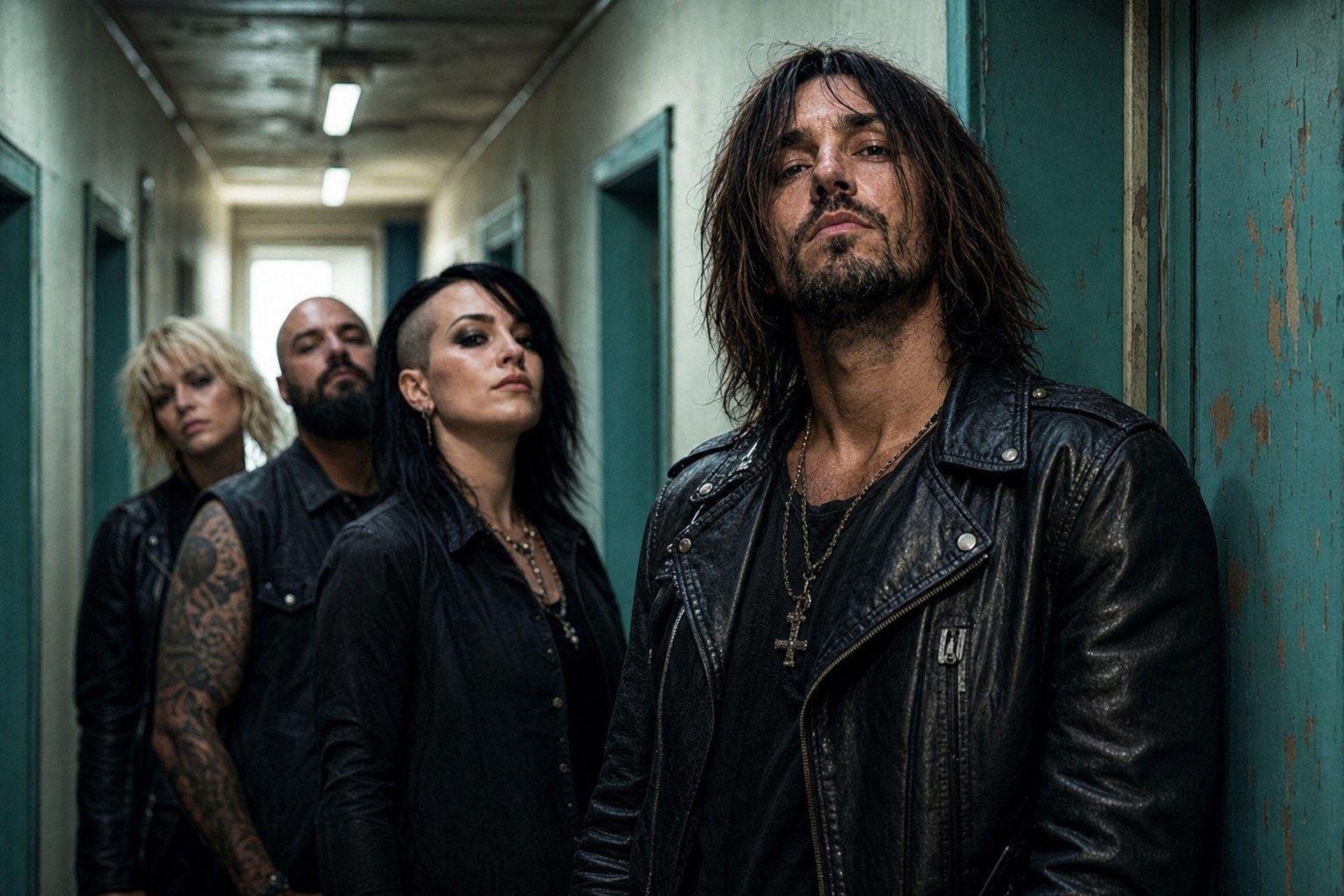
Gasoline Hymn by Viper Junction: Five Questions
Gasoline Hymn by Viper Junction treats the desert highway less as scenery than as a pressure system. The band's sixteen-track debut turns alto force, blown-out distortion, and chapel-sized refrains into a record where spiritual language and asphalt grime occupy the same room.

Lyra Voss's Solstice Light: Pop After Midnight
Lyra Voss's Solstice Light treats pop as a form of nocturnal architecture: sixteen tracks built around the tension between endless daylight and the hush that follows it. Its synths don't decorate the songs; they make the album's emotional weather visible.

GLITCH by Prism Five: Where K-Pop Belongs on Screen
GLITCH by Prism Five isn't background music for a scene; it behaves like a scene change. The seventeen-track debut moves from synchronized impact to vocal intimacy, giving sync supervisors a rare K-pop record that can score a chase, a fashion montage, or the instant a polished world starts to fracture.

Jesse Cole Beckett album: 5 records before The Last Porch Light
The Jesse Cole Beckett album isn’t best approached as a retro-country mood board; it’s a record about how familiar forms carry new damage. These five records sharpen the ear for its baritone gravity, acoustic detail, slide-steel restraint, and stubborn belief in the chorus.

Paraíso by Santiago Fuego: The Elastic Dembow Pulse
Paraíso by Santiago Fuego treats dembow less like a fixed beat than a movable climate. Across eighteen tracks, the rhythm stays recognizable while bass, percussion, melody, and vocal phrasing shift the record from rooftop invitation to late-night confession.

Conscious Hip-Hop 2026: Kairo West's Baldwin Lineage
Conscious hip-hop 2026 isn't defined by dusty loops or solemn lectures. Kairo West's Baldwin Bus Receipt places the form inside Atlanta trap's low end, where baritone narration, gospel harmony, and dramatic cadence turn private responsibility into public music.

Velvet by Opal Sinclair: The Room Around the Voice
Velvet by Opal Sinclair is built less like a vocal showcase than a room designed around one: brushed drums recede, jazz piano leaves air between phrases, and analog pads turn silence into part of the arrangement. Its most persuasive production choice is restraint, especially when Honey lets intimacy carry the hook.
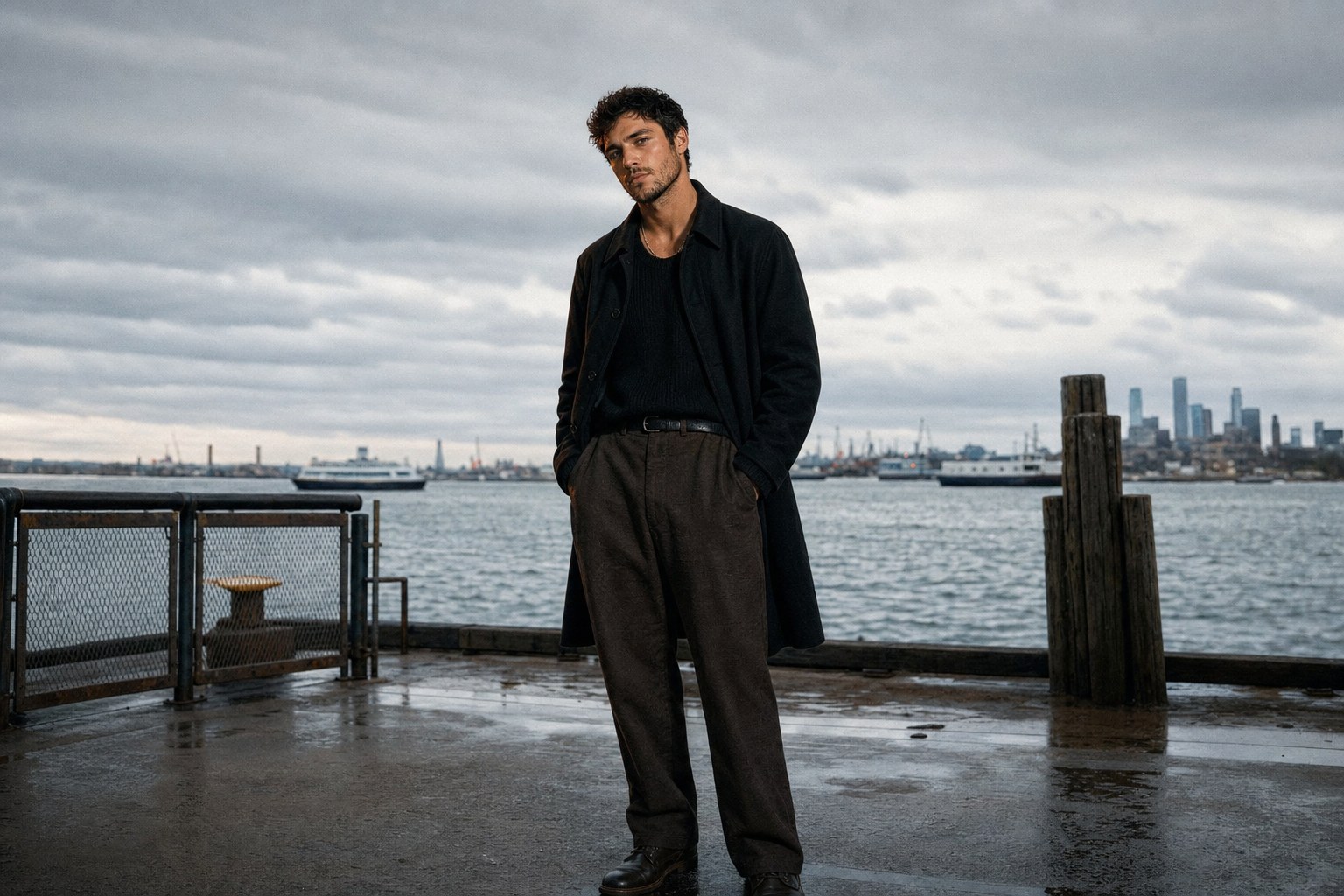
Tide Clock by Nova Driftwood and the New House Moment
Tide Clock by Nova Driftwood arrives as house music is being pulled between festival spectacle and private listening. Its answer is neither maximalism nor retro worship, but a sixteen-track clockwork of warm sub-bass, chopped voices, and patient motion built for the hours when the room finally locks in.

Gasoline Hymn by Viper Junction, track by track
Gasoline Hymn by Viper Junction treats the desert highway as both sanctuary and threat. Across sixteen tracks, the Joshua Tree, CA band turns alto force, garage abrasion, and stadium-scale distortion into one argument: faith sounds most convincing when it has dirt under its nails.

Solstice Light by Lyra Voss: Five Questions
Solstice Light by Lyra Voss treats pop as a form of weather: sixteen tracks moving between midnight sun, auroral hush, and machine-made devotion. We asked Voss how she built an album where minimalism and maximalism share the same pulse.

Prism Five's GLITCH: K-pop precision with a fault line
Prism Five GLITCH turns the polished machinery of K-pop into its subject: five voices, synchronized movement, and electronic-pop architecture staged as a controlled malfunction. The seventeen-track debut doesn’t reject precision. It asks what happens when precision starts calling itself chaos.
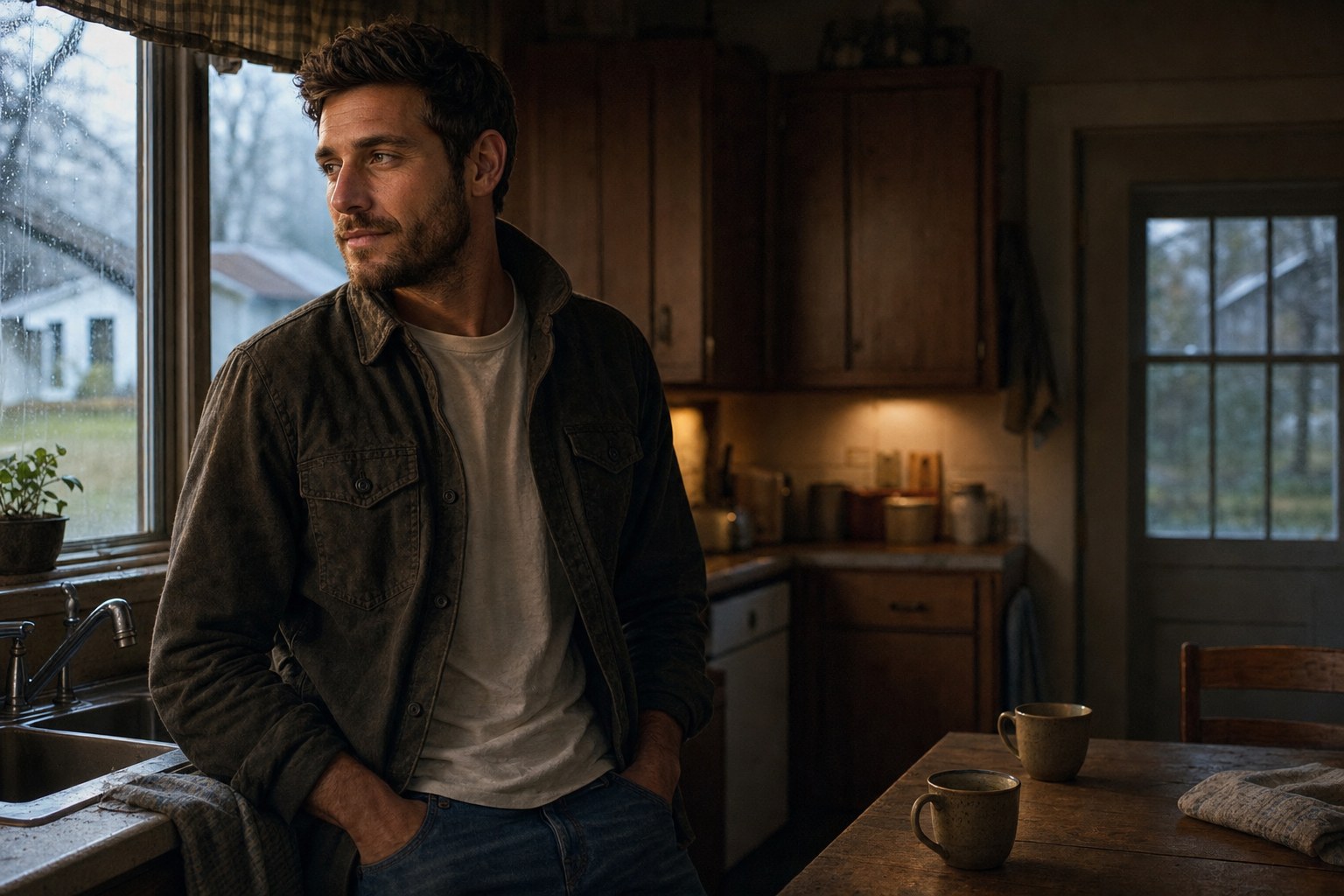
The Last Porch Light by Jesse Cole Beckett on Screen
The Last Porch Light by Jesse Cole Beckett doesn’t sound built for montage. Its acoustic grain, slide-steel ache, and warm baritone belong to the moments after the plot breaks open: a truck leaving town, a kitchen confession, a final shot that refuses easy redemption.

Santiago Fuego's Paraíso: 5 records to hear first
Santiago Fuego Paraíso doesn’t arrive as a single-club record. Its eighteen tracks move from rooftop dembow to balcony-after-midnight romance, so the best preparation is a short map of reggaeton’s melodic, tropical, and street-level lineages.

Kairo West's Baldwin Bus Receipt and the Power of the Pause
Kairo West's Baldwin Bus Receipt treats silence as part of the drum kit. Across eighteen tracks, the Atlanta rapper lets trap snares, 808s, and a baritone voice create pressure around the words, turning each pause into a form of testimony rather than empty space.

Atmospheric R&B 2026: Opal Sinclair's Velvet Primer
Atmospheric R&B 2026 isn't defined by softness alone. Opal Sinclair's Velvet uses breath, negative space, brushed drums, and jazz piano to place neo-soul's intimate tradition inside a slower, more tactile room—one where sixteen one-word textures become a complete emotional architecture.
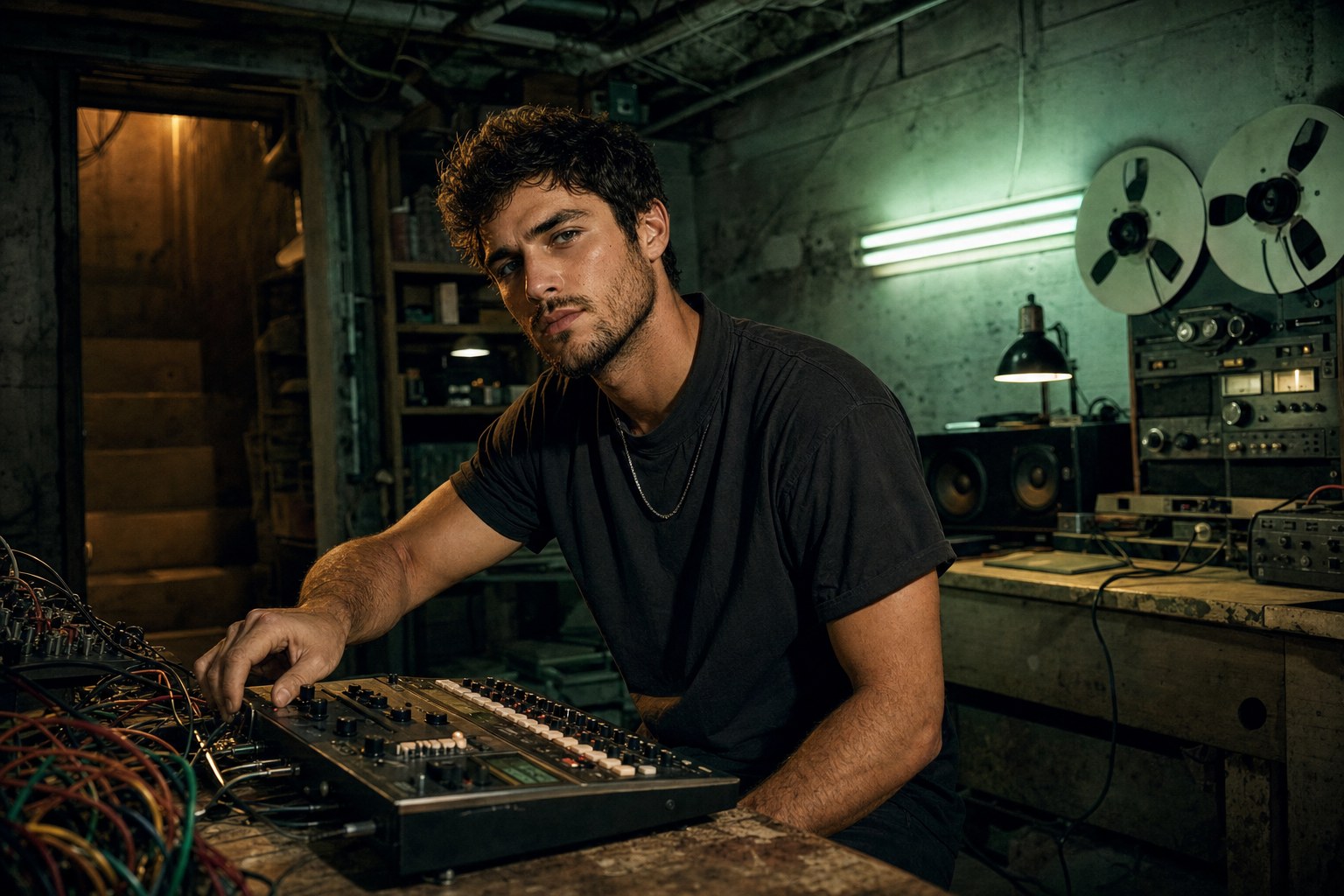
Tide Clock by Nova Driftwood: The Sound of Room
Tide Clock by Nova Driftwood treats restraint as a physical production tool. Across sixteen tracks, the Brooklyn, NY producer gives the kick, sub-bass, vocal fragments, and vinyl noise enough negative space to make a long drive feel like a dancefloor viewed from the road.
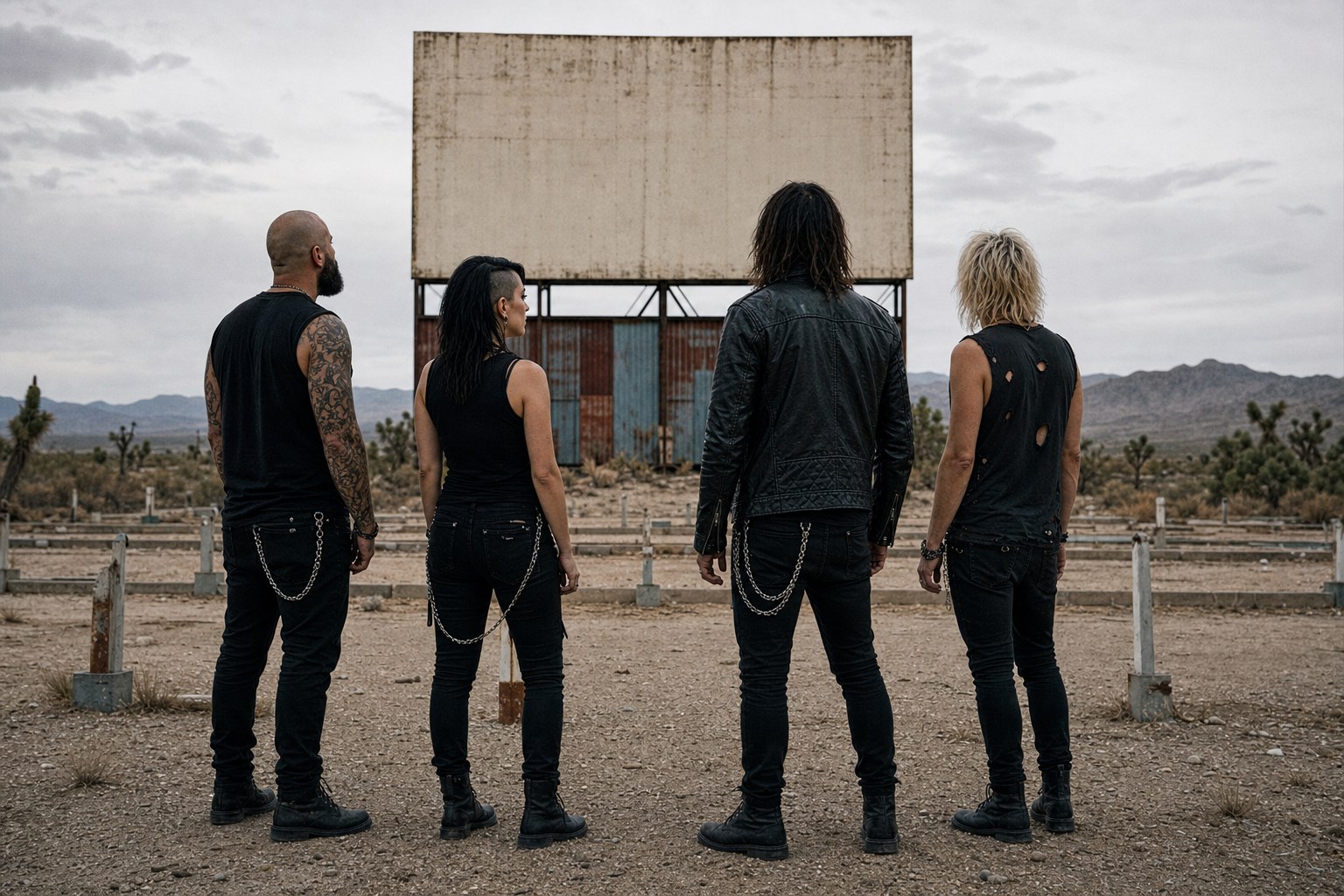
Modern Outlaw Rock and Viper Junction's Gasoline Hymn
Modern outlaw rock has spent the last decade borrowing country’s dust, noir’s menace, and arena rock’s scale. Viper Junction’s Gasoline Hymn refuses the costume: its sixteen tracks turn the chapel, the gas station, and the amplifier into one scorched, contradictory language.

Solstice Light by Lyra Voss, decoded
Solstice Light by Lyra Voss treats the pop album as a cycle of changing light rather than a stack of singles. Across sixteen tracks, Reykjavík minimalism meets neon-cyan synth architecture, turning the distance between devotion and dancefloor release into the record’s central dramatic engine.

GLITCH by Prism Five: Five Questions With the Group
GLITCH by Prism Five treats polish as a form of controlled disorder. Across seventeen tracks, Seoul’s five-member group turns synchronized choreography, stacked harmonies, and fractured electronic pop into a debut built to sound precise even when it’s pretending to break.

Jesse Cole Beckett debut: The Last Porch Light decoded
Jesse Cole Beckett debut, The Last Porch Light, doesn’t treat outlaw country as costume or mythology. Across sixteen songs, Beckett narrows the genre to its moral weather: the bar, the chapel, the road, and the porch light that stays on after the damage is done.

Santiago Fuego's Paraíso: Where It Belongs on Screen
Santiago Fuego Paraíso sounds less like a collection of singles than a film already waiting for its edit: rooftop flirtation, sunstruck travel, a midnight chase, and the quiet after the party. Its eighteen Spanish-language tracks give music supervisors clean emotional cues without sanding away the Caribbean accent.

Baldwin Bus Receipt: 5 records to hear first
Baldwin Bus Receipt doesn’t treat conscious rap and Atlanta trap as opposing camps. Kairo West’s debut moves from “On Sight” and “Built Different” to “Mama’s Hands” and “4 AM Studio Ghost,” so the best warm-up records are united by cadence, moral weight, and a gospel undertow.

Opal Sinclair's Velvet: the candlelit textures behind Honey
Opal Sinclair's Velvet arrives as an exercise in restraint: sixteen one-word textures mapped across slow tempos, analog pads and close-miked intimacy. Velvet repurposes neo-soul's spaciousness into a candlelit register where the lead single "Ignite" and the slow-burning hook of "Honey" act less like songs than fixtures of mood.
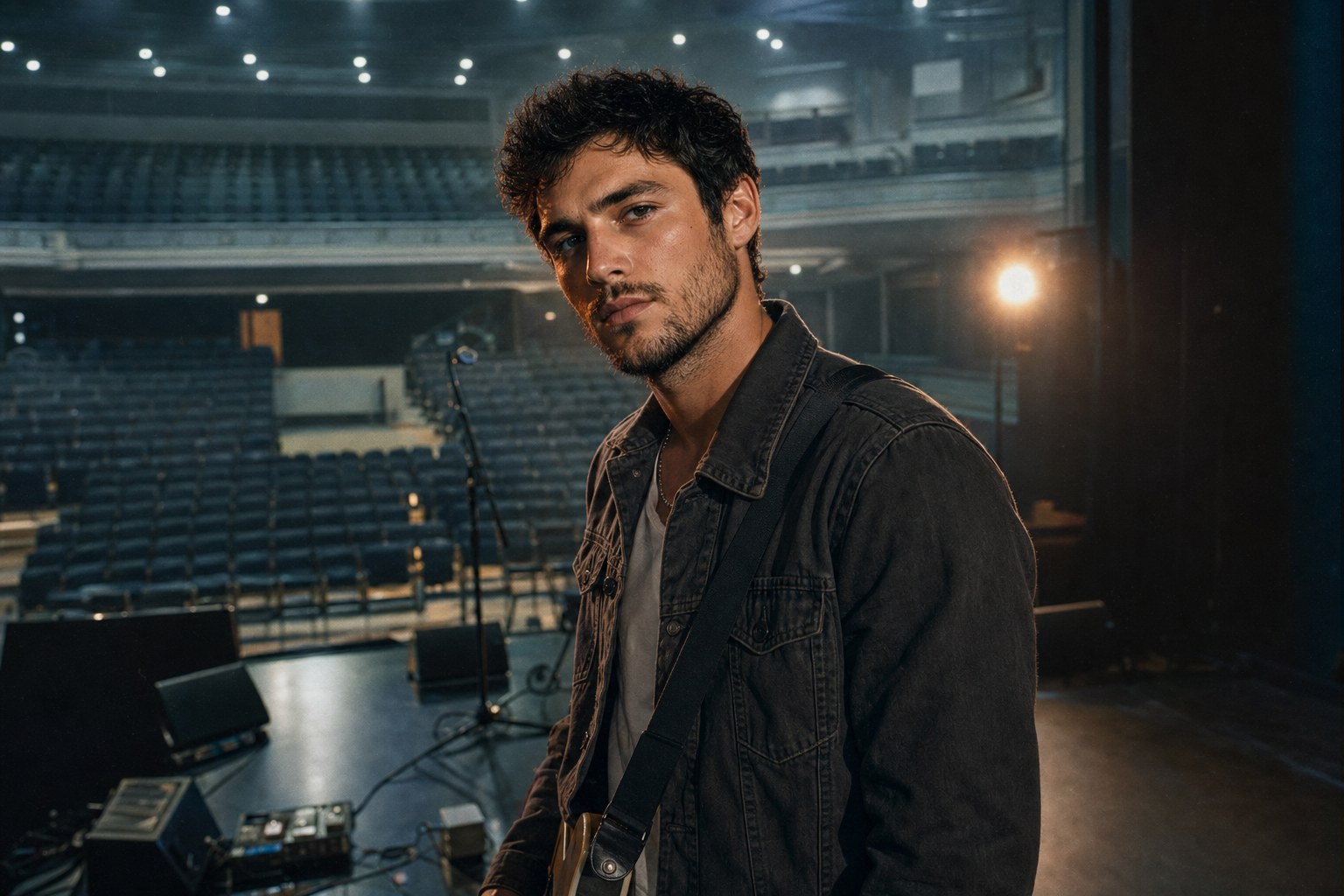
Deep House 2026: Nova Driftwood and the Long-Form Club Record
Deep house 2026 has pivoted from peak-time weapons back to patient, album-length storytelling, and Nova Driftwood’s Tide Clock is the clearest statement of that shift. Tide Clock — a sixteen-track sequence released April 26, 2026 — insists on slow morphologies, warm sub-bass, and chopped vocal textures used as instruments.
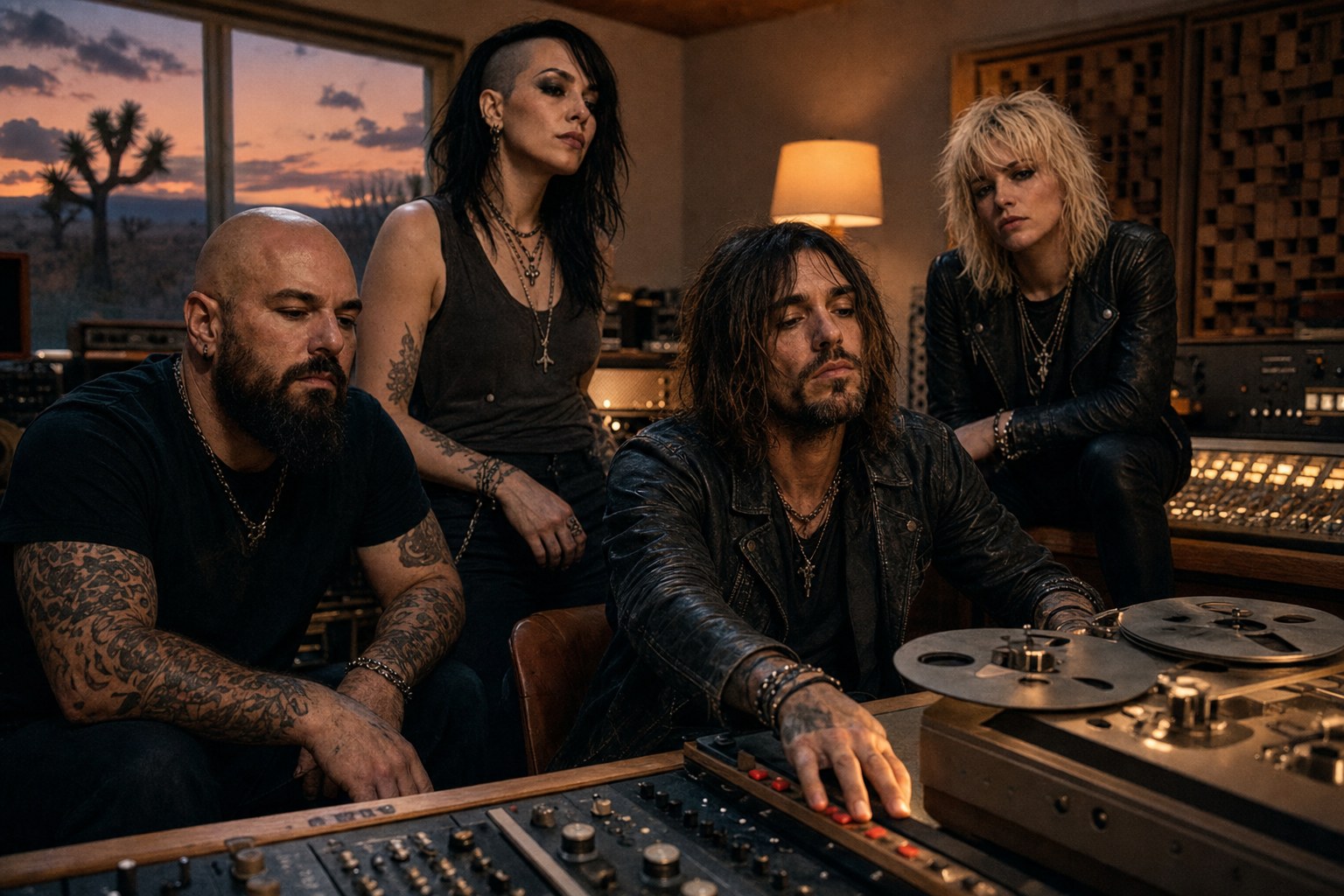
Gasoline Hymn production: how Viper Junction built their desert walls
Gasoline Hymn production announces Viper Junction's debut as a studio manifesto: sixteen tracks that make distortion feel architectural. The record's studio choices—mic'd amp stacks, a roomy live drum capture, and a tape-forward vocal chain—turn desert grit into a stadium-ready thrust without losing garage immediacy.

Scandinavian electropop 2026: Lyra Voss's Solstice Light
Scandinavian electropop 2026 arrives with Lyra Voss's Solstice Light, a sixteen-track study in daylight as ritual and club motor. Lyra Voss funnels Reykjavík's midnight sun into anthemic synth architecture where minimalism meets prayerful production.

GLITCH by Prism Five, track by track
GLITCH by Prism Five opens like a software update that forgot to finish—seventeen tracks of choreography-ready hooks married to microscopic production errors. Prism Five turns glitched artifacts into a formal language: the title track declares “we're the error that became official,” and the group's Spring 2026 debut uses those interruptions to map stage spectacle onto headphone intimacy.

The Last Porch Light: Five questions with Jesse Cole Beckett
The Last Porch Light arrives as a slow-burning testament: sixteen songs that trade polish for room sound and old-fashioned storytelling. Jesse Cole Beckett places the baritone up close and the slide steel just behind it, letting the chorus earn its space without theatrical production.

Santiago Fuego's Paraíso: an 18-track day in the sun
Santiago Fuego Paraíso is a debut that stages reggaeton as ritual rather than soundtrack — an eighteen-track sequence that maps a single party-day from noon to dawn. Paraíso folds dembow, salsa syncopation and tempered tropical-house production into an intimate Spanish-first narrative.

Baldwin Bus Receipt soundtrack: Where Kairo West belongs on screen
Baldwin Bus Receipt soundtrack is a toolbox for scenes that need moral weight without melodrama. Kairo West's debut trades typical trap maximalism for a baritone-led, gospel-tinged pocket that reads like a film score when placed next to picture.

Velvet by Opal Sinclair: 5 records to prepare you
Velvet by Opal Sinclair arrives as a candlelit, sixteen-track debut that privileges space over spectacle. If you plan to listen end-to-end, aim for headphones and a quiet room: Opal's warm mezzo-soprano and sparse jazz piano unfold like a late-night conversation, equal parts Solange hush and D'Angelo warmth.
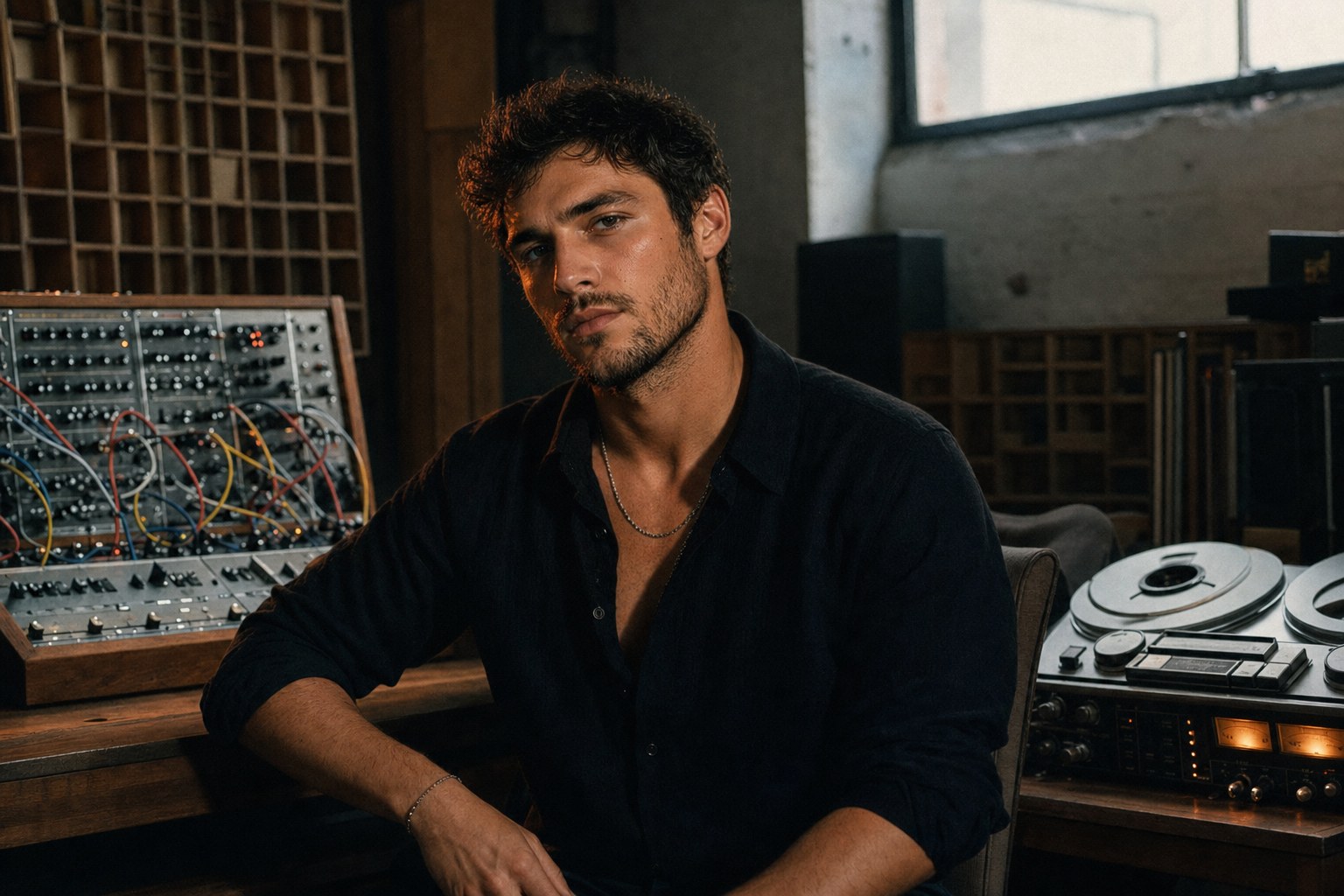
Tide Clock by Nova Driftwood: the vinyl crackle that keeps time
Tide Clock by Nova Driftwood treats vinyl crackle not as nostalgia but as a metronome. Nova Driftwood uses chopped vocal textures and warm sub-bass across a 16-track sequence to convert an album into a slow, mechanical tide that moves between sunrise and harbor-shelf analogism.
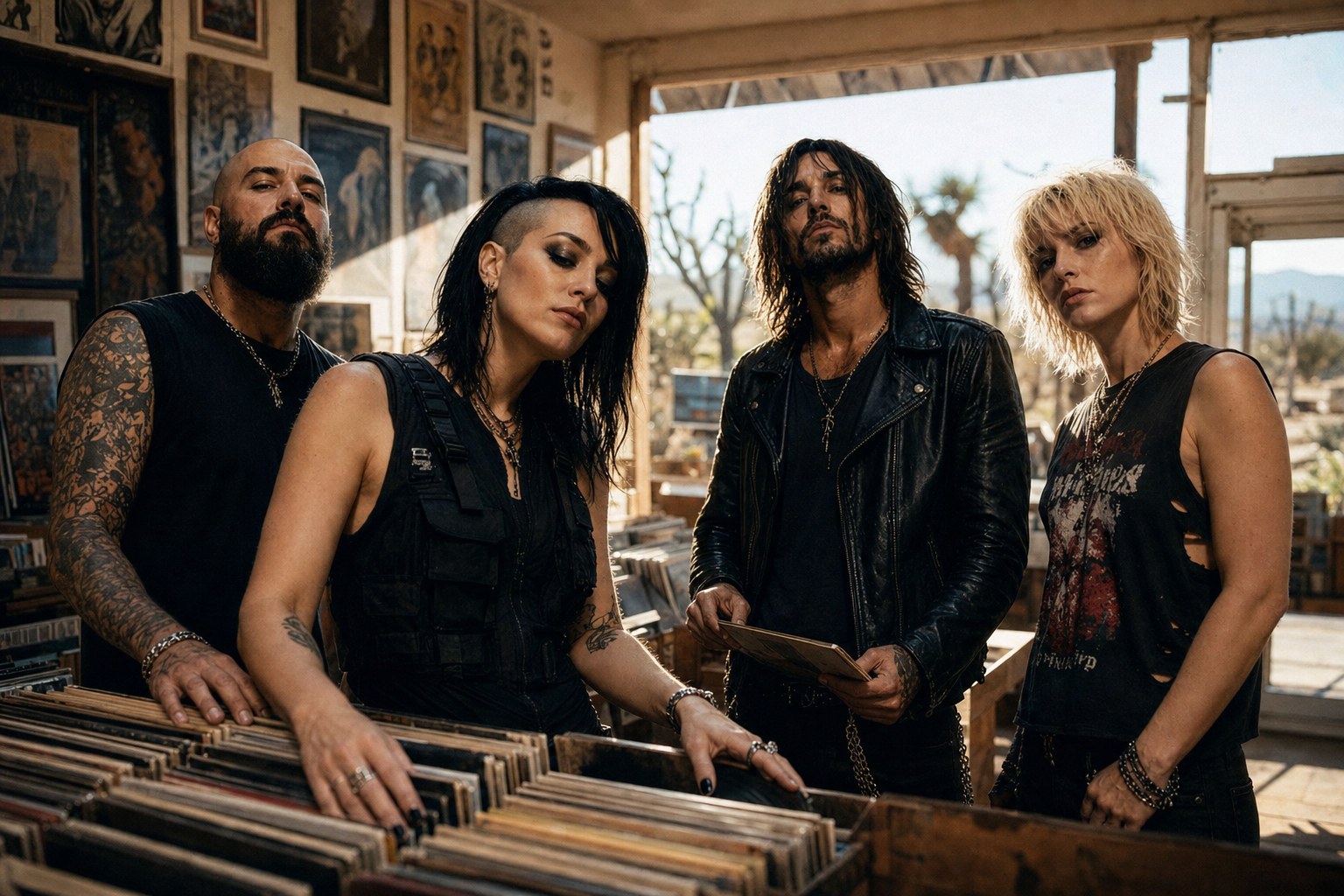
Desert Rock 2026: Viper Junction's Gasoline Hymn Primer
Viper Junction's Gasoline Hymn arrives as desert rock 2026's most literal highway confession: sixteen tracks that weld garage-grit to arena-scale riffs. The record reframes Palm Desert lineage through a raw alto, dry drum rooms, and choruses that open like a suddenly empty freeway at dusk.

Solstice Light production: inside Lyra Voss's synthcraft
Solstice Light production reframes Nordic minimalism as club infrastructure: Lyra Voss treats light and silence like modular synth modules, routing emotional peaks through dance-ready compression and spectral shimmer. The album’s lead single, Voltage, announces that architecture with a single, clinical pulse that repeats like a ritual.

Prism Five GLITCH album: K-pop glitch-pop as deliberate error
Prism Five GLITCH album arrives as a thesis: the group's polished K-pop mechanics folded into intentional failure. Prism Five's GLITCH album reframes errors—stutters, clipped harmonies, dropped measures—as the visual and sonic fulcrum for synchronized choreography and global pop ambition.
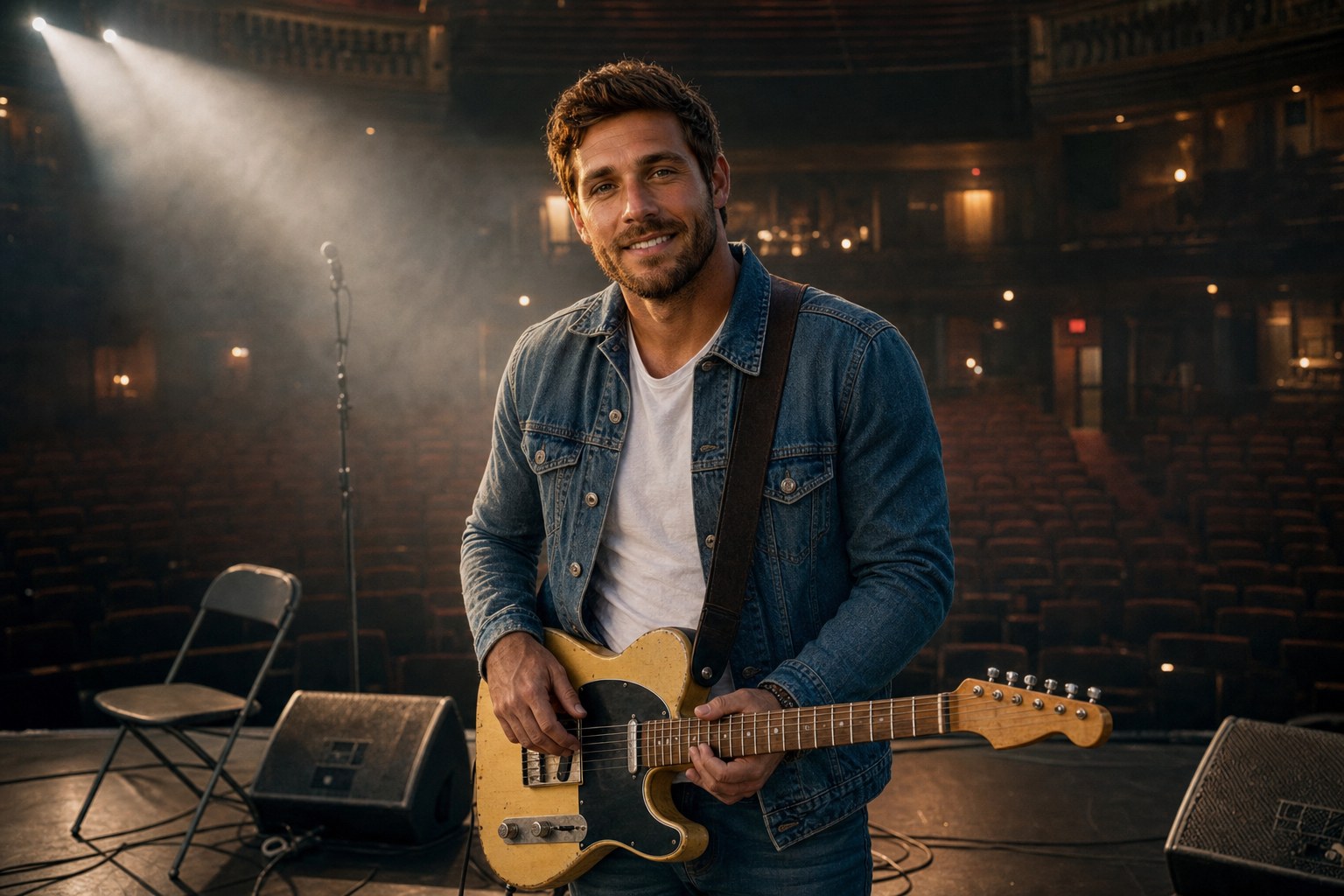
The Last Porch Light, track by track
The Last Porch Light opens like a weathered map: sixteen songs that live between the chapel and the bar. Jesse Cole Beckett's debut frames a modern outlaw country record as a sequence of small moral reckonings, built from Telecaster bite, slide steel sighs, and a baritone that prefers conversation to sermon.

Paraíso by Santiago Fuego: Five questions with Santiago Fuego
Paraíso by Santiago Fuego reimagines reggaeton as a day-length narrative: eighteen tracks that move from noon rooftop heat to balcony dawn. The record foregrounds dembow’s spine while folding in salsa piano, tropical-house reverb, and Spanish-first hooks that play like a bilingual memory.

Baldwin Bus Receipt by Kairo West: an eighteen-track ledger
Baldwin Bus Receipt by Kairo West arrives as a ledger: an eighteen-track record that balances trap percussion with gospel inflection and literary storytelling. The album treats tenderness as political work, delivering late-night clarity in a baritone that sits as steady as a sermon and as detailed as a police report.

Opal Sinclair sync: Where Velvet belongs on screen
Opal Sinclair sync finds its power in intimate slow-burn moments. Velvet's sixteen one-word textures were conceived for dim rooms and tight close-ups; they land not as wallpaper but as a scene’s emotional center.

Tide Clock by Nova Driftwood: 5 records to prepare
Tide Clock by Nova Driftwood is a record that prefers slow inevitability to peak-time theatrics; its sixteen tracks move in the 118–128 BPM corridor with vinyl crackle, warm sub-bass, and chopped vocals as timbral devices. This listening companion points five records that prime you for the album's late-night, long-drive ambitions.
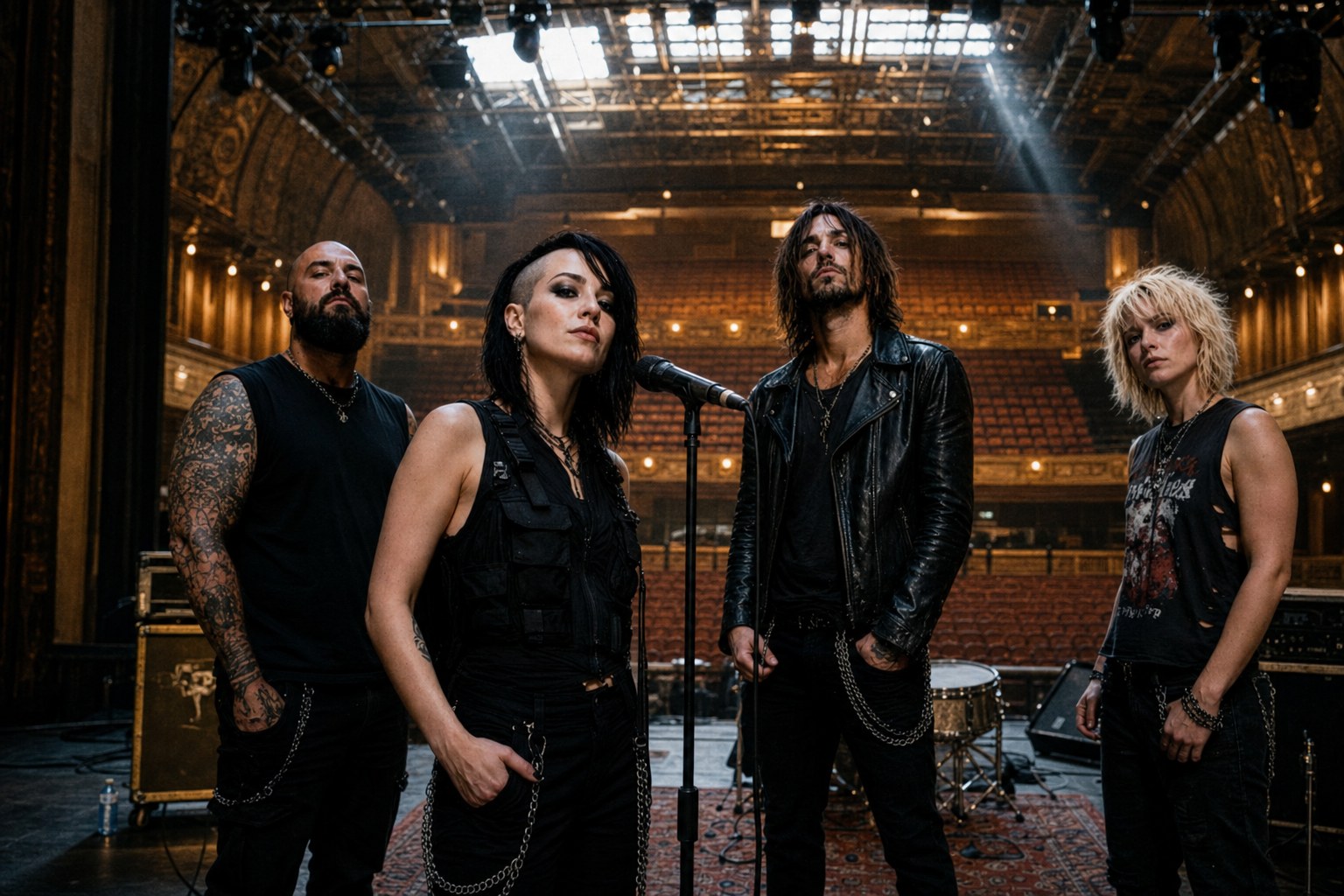
Gasoline Hymn by Viper Junction: the desert stadium howl
Gasoline Hymn by Viper Junction arrives like a fistful of sand thrown at an open mic: immediate, abrasive, and oddly devotional. The record transplants garage immediacy into arena-scale arrangements, so the lead single Rattlesnake Kiss feels at once like a chapel chant and a biker-bar prayer.

Scandinavian electropop in 2026: Lyra Voss's Solstice Light
Scandinavian electropop 2026 arrives less as nostalgia and more as a re-tuning: Lyra Voss's Solstice Light takes Nordic minimalism and stretches it across sixteen tracks of machine-prayer pop. Voltage, the May 11 single, announces an album where introspective lyricism collides with euphoric synth architecture.

GLITCH by Prism Five: how the vocals were glitched
GLITCH by Prism Five announces itself as a production statement: five voices routed through deliberate error. Prism Five's debut era leans into controlled destruction — tactile glitches, sculpted room sound, and choreography-ready low-end that keeps the chaos legible.

Modern outlaw country revival: Jesse Cole Beckett's The Last Porch Light
Modern outlaw country revival is a phrase that implies both stylistic return and selective revision, and Jesse Cole Beckett's The Last Porch Light stakes that claim plainly. The record's sixteen songs favor small-room arrangements—Telecaster bite, slide steel, brushed drums—and a weathered baritone that sits between the chapel and the bar.

Paraíso by Santiago Fuego, track by track
Paraíso by Santiago Fuego is an eighteen-track day-to-night map of Miami-inflected reggaeton. Santiago Fuego strings dembow, tropical percussion, and Spanish-first hooks into a continuous party that reads like a single long set — rooftop noon to balcony dawn — anchored by the May 5, 2026 release and lead single "Vamos" (May 2).

Kairo West's Baldwin Bus Receipt: Five questions
Kairo West Baldwin Bus Receipt refuses the easy split between trap hardness and intimate confession. The title's 18-track run (released May 4, 2026, with the lead single on May 1) trades trap bravado for a preacherly baritone that treats snares, 808s, and gospel samples like rhetorical devices.

Opal Sinclair's Velvet: sixteen candlelit R&B textures
Opal Sinclair's Velvet frames intimacy as a production choice: every arrangement is tuned to a room, a lamp, a breath. Velvet by Opal Sinclair uses analog pads, brushed drums and one-word song titles to map sixteen discrete textures of closeness and hesitation.

Nova Driftwood Tide Clock: Where it belongs on screen
Nova Driftwood Tide Clock maps onto picture more cleanly than most dance records; its 16-track arc and 118–128 BPM range make it a practical, emotionally precise library for dawn, dusk, and the long in-between. Tide Clock pairs especially well with three on-screen moods: sunrise romance, harbor-set noir, and slow driving montages.
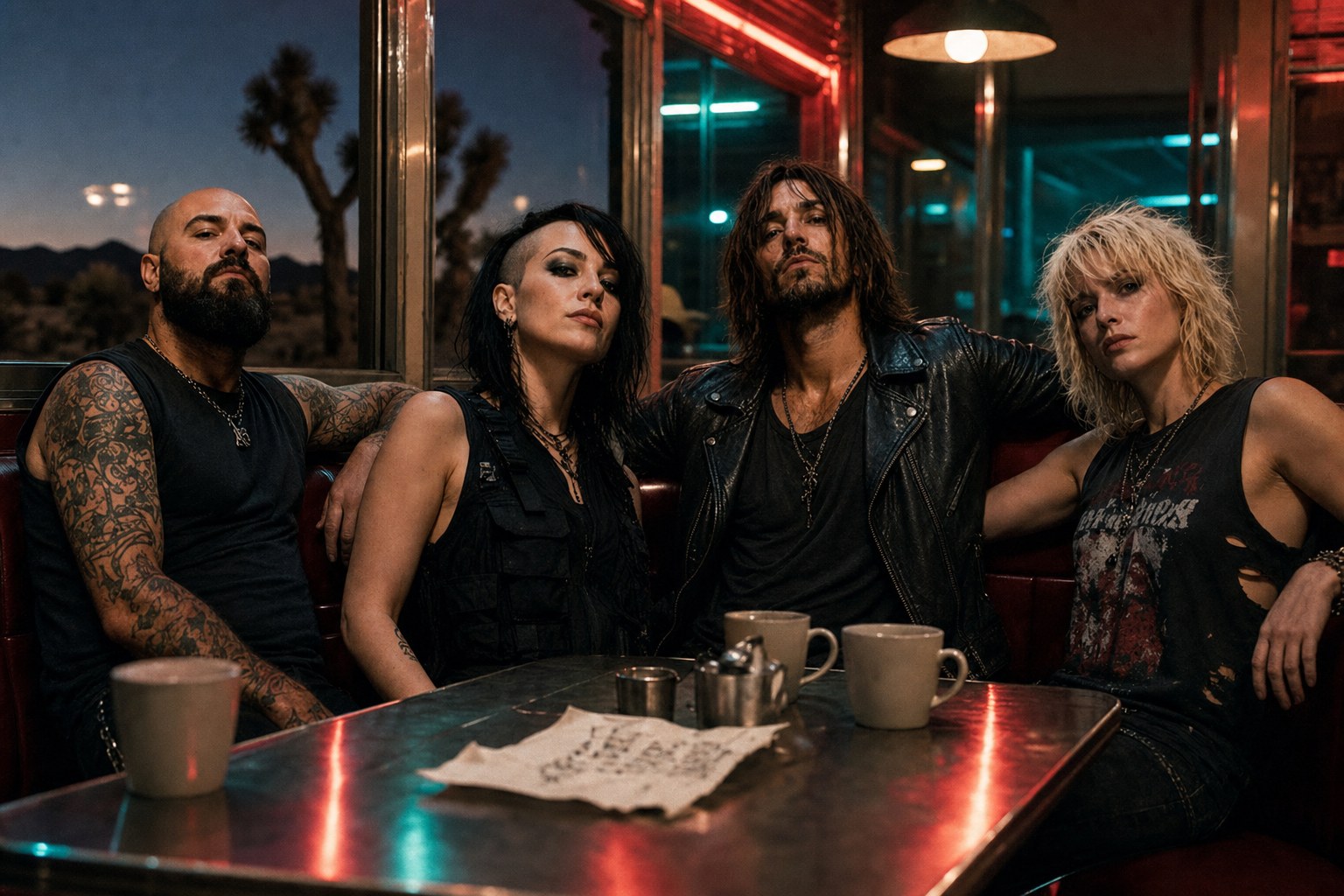
Gasoline Hymn by Viper Junction: 5 records to prepare you
Gasoline Hymn by Viper Junction hits like a chapel service stolen from a roadside bar: sixteen tracks of desert rock that splice garage grit with stadium-sized choruses. Start with these five records to hear where the album’s alto vocal, walls of distortion, and sacred‑profane songwriting live in the wider lineage.

Solstice Light by Lyra Voss: aurora-minimalism in sixteen tracks
Solstice Light by Lyra Voss positions light as structure: the album maps expanses of sound that behave like long Arctic twilight, where synths bloom and then recede. Lyra Voss uses a rigid pulse and deliberate negative space to make sixteen tracks feel like one continuous aurora, not a run of pop singles.

Prism Five GLITCH: K-pop's glitch-pop primer
Prism Five GLITCH reframes glitch not as a studio accident but as a choreography-first production language. Prism Five GLITCH places a seventeen-track debut and the single BOOM into a lineage that runs from Seo Taiji's pop-modern experiments through f(x)'s synth-edge and SOPHIE's digital abrasions.

The Last Porch Light production: inside Jesse Cole Beckett's sound
The Last Porch Light production is as deliberate as a porch light left on: every reverbed snare, Telecaster scrape, and church-piano swell places Jesse Cole Beckett’s baritone squarely between a chapel and a tavern. The record’s sixteen tracks prioritize song-first fidelity over flashy studio ornament.

Reggaeton 2026: Santiago Fuego's Paraíso and the new tropical pop
Reggaeton 2026 arrives with Santiago Fuego's Paraíso insisting the genre can be both sunburnt and intimate. Paraíso—an eighteen-track, Spanish-first album released May 5, 2026—repurposes dembow and salsa textures into a day-to-night sequence that privileges melody over maximalism.

Baldwin Bus Receipt by Kairo West, track by track
Baldwin Bus Receipt by Kairo West opens like a ledger — eighteen tracks that catalogue tenderness, ambition, and the interior weight Black men carry. Kairo West's baritone rides trap snares and gospel samples with the formal confidence of a poet who learned cadence from church and cadence from the block.

Velvet by Opal Sinclair: Five questions with Opal Sinclair
Velvet by Opal Sinclair arrives as sixteen discreet moods, each a one-word texture meant to be lived in rather than skimmed. Opal Sinclair asks you to lower the lights and listen slow—an album sequenced for candlelit focus where the most immediate earworm is the slow-blooming hook of "Honey."
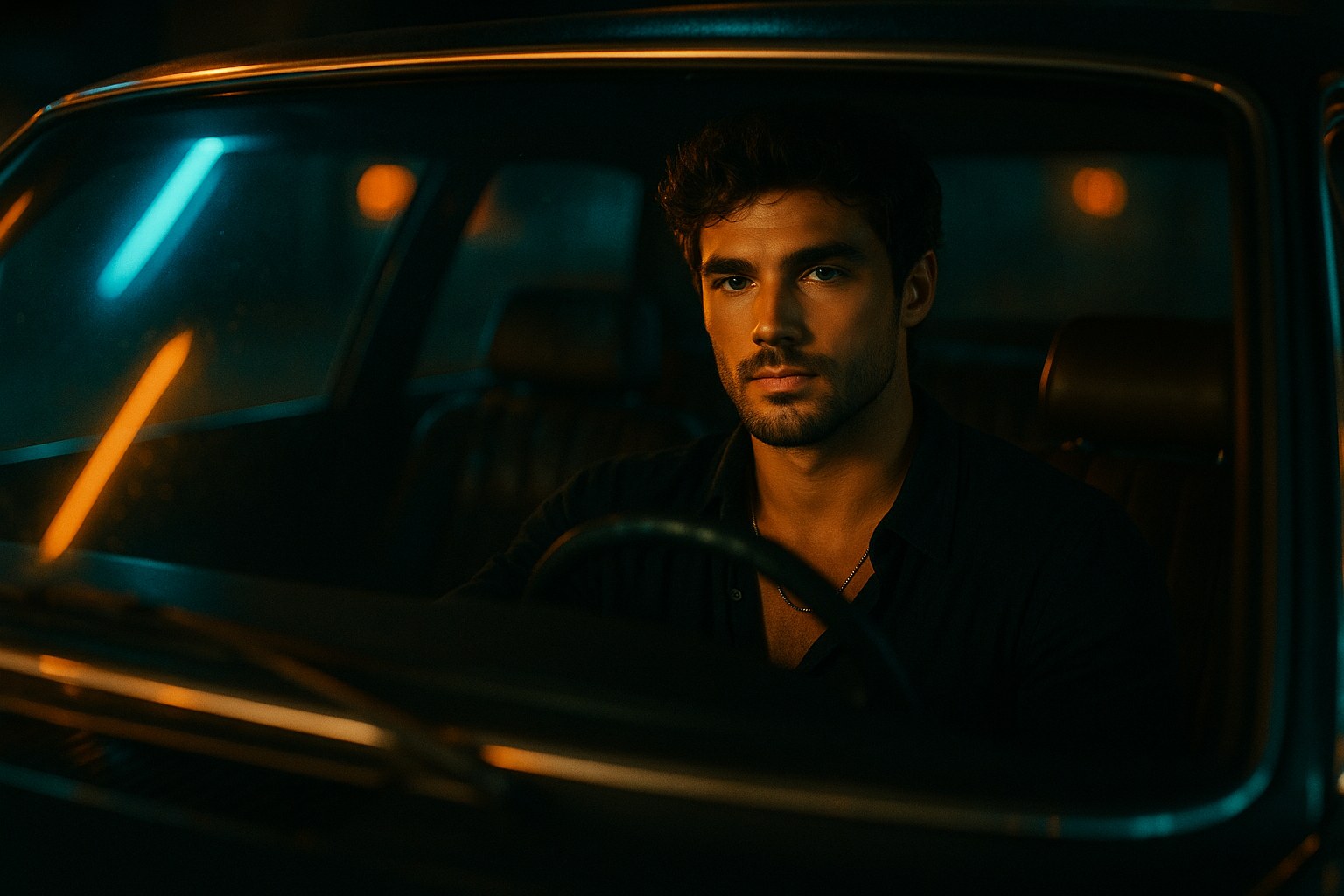
Tide Clock by Nova Driftwood: a sixteen-track house meditation
Tide Clock by Nova Driftwood treats deep house restraint as propulsion: the sixteen-track record—released April 26, 2026—maps a 24-hour emotional arc with 118–128 BPM grooves, warm sub-bass, vinyl crackle, and chopped vocal textures that function as melodic instruments rather than lyrical anchors.
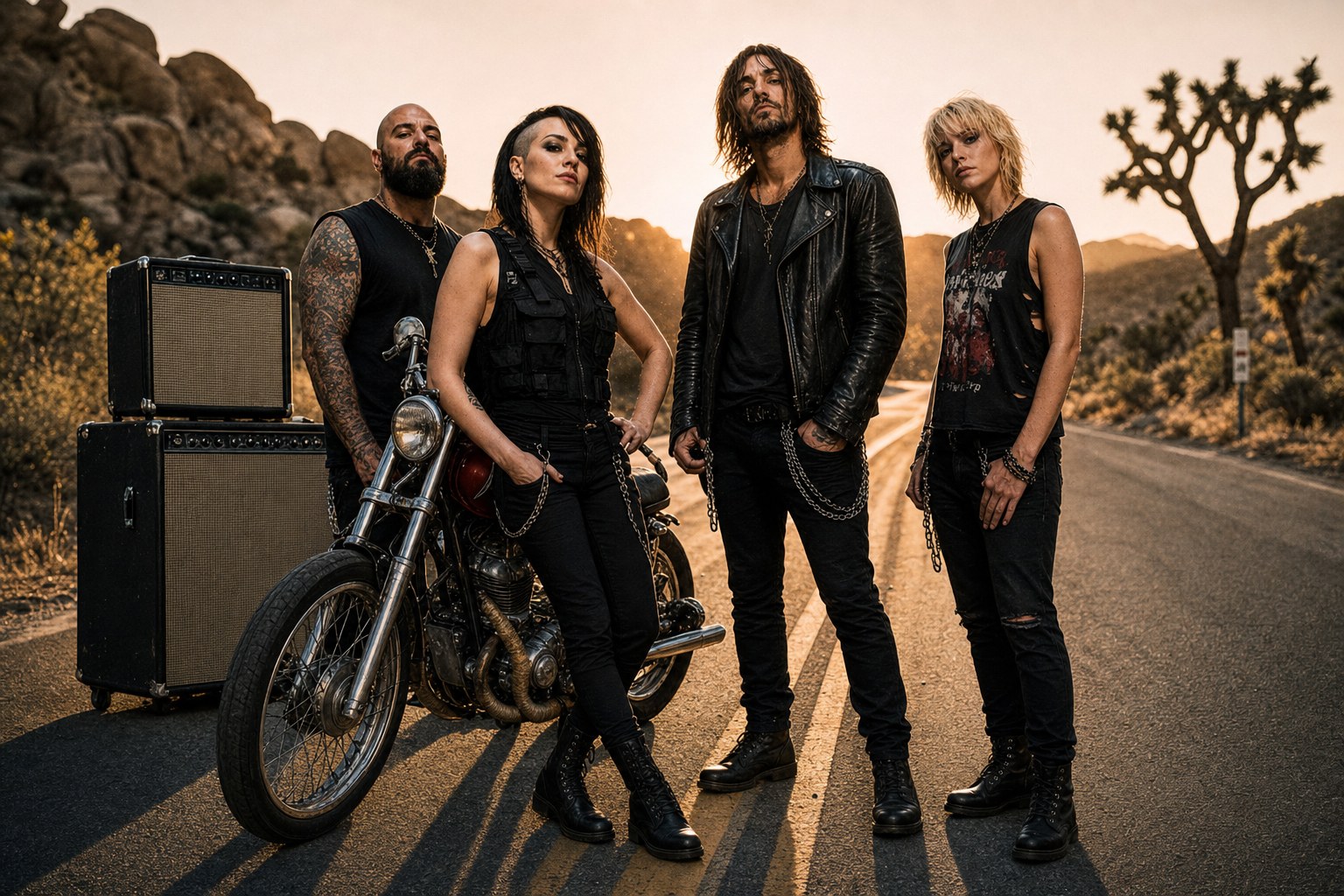
Where Gasoline Hymn by Viper Junction Belongs on Screen
Viper Junction Gasoline Hymn lands where asphalt meets altar: the record's sixteen tracks turn highway grit into cinematic punctuation. The primary keyword maps naturally to late-night patrols, sunrise epilogues, and fist-pumping stadium montages — Gasoline Hymn's textures translate to picture with the same inevitable force as the lead single, Rattlesnake Kiss.

Solstice Light by Lyra Voss: 5 records to prepare you
Solstice Light by Lyra Voss lands as a sixteen-track study in bright/minimalist contrast: electric pulses, choir-like vocal processing and cold, shimmering pads that feel like aurora overhead. If you want the right ear for the record on May 14, start with five albums that share its northern restraint and dancefloor clarity.

GLITCH by Prism Five: how a K-pop debut glitched the formula
GLITCH by Prism Five opens the possibility that error can be a pop sensibility rather than a novelty. Prism Five's debut leans on micro-edits, stuttered harmonies and refracted synths to make 17 tracks that work on a stadium floor and in high-resolution headphones—BOOM pivots the whole era toward deliberate malfunction.

Modern Outlaw Country in 2026: Jesse Cole Beckett's porch songs
Modern outlaw country arrives less as a fashion and more as a set of domestic textures — a Telecaster bite at sunset, a slide steel sigh at the edge of a hymn. Jesse Cole Beckett's The Last Porch Light is the 2026 document that stitches those textures into sixteen songs of chapel-and-barroom economy.

Paraíso by Santiago Fuego: the drum and vocal craft
Paraíso by Santiago Fuego opens like a day written in sound: midday calypso subs, sunset brass hits, midnight dembow. The record's production centers two deceptively simple moves — a hybridized dembow drum kit and a vocal chain that keeps the tenor intimate while letting reverbs and saturation push the room bigger.

Baldwin Bus Receipt: Kairo West and the Atlanta conscience
Baldwin Bus Receipt by Kairo West arrives like a late-night sermon for a generation of listeners who still carry the albums they learned from—To Pimp a Butterfly and Aquemini—on repeat. The record places Kairo West's baritone and trap-sourced production into a conversation about tenderness, responsibility, and the quiet work of surviving Atlanta.

Velvet by Opal Sinclair, track by track
Velvet by Opal Sinclair is a sixteen-track study in slow-burning texture: one-word titles that act as lenses on intimacy. Opal Sinclair's mezzo lives in the mix—warm, breathy, and treated for proximity—while arrangements favor analog pads, brushed drums, and spare jazz piano so the record reads like candlelight in sound.
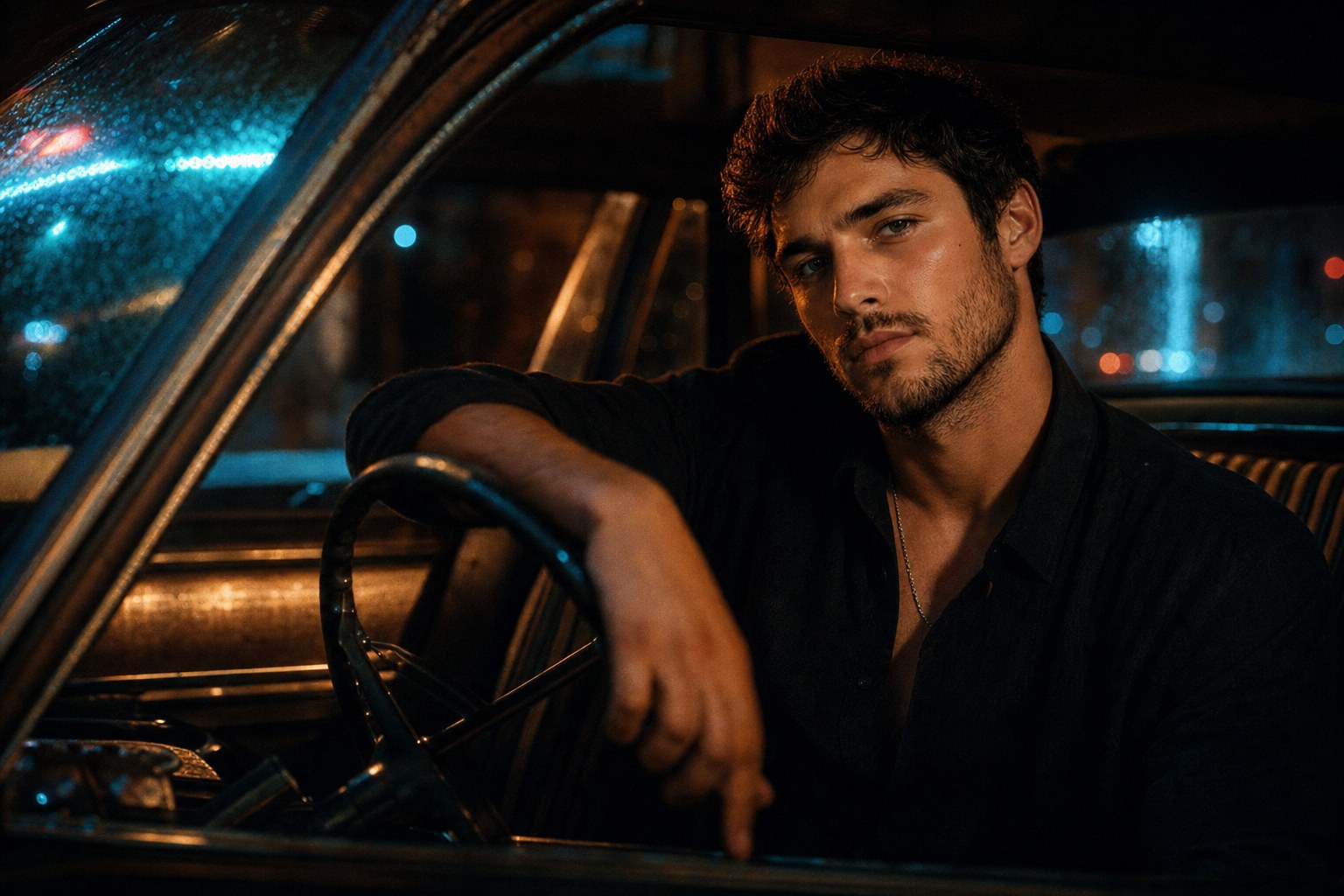
Tide Clock by Nova Driftwood: Five questions
Tide Clock by Nova Driftwood reframes a sixteen-track deep house album as a fixed-tempo map: an unspooling twelve hours one way, twelve the other. Nova Driftwood uses 118–128 BPM house pacing, vinyl crackle, and chopped vocal textures to make time feel tactile — music for late-night drives and headphone meditation.