
Solstice Light by Lyra Voss: 5 records to prepare you
Solstice Light by Lyra Voss lands as a sixteen-track study in bright/minimalist contrast: electric pulses, choir-like vocal processing and cold, shimmering pads that feel like aurora overhead. If you want the right ear for the record on May 14, start with five albums that share its northern restraint and dancefloor clarity.
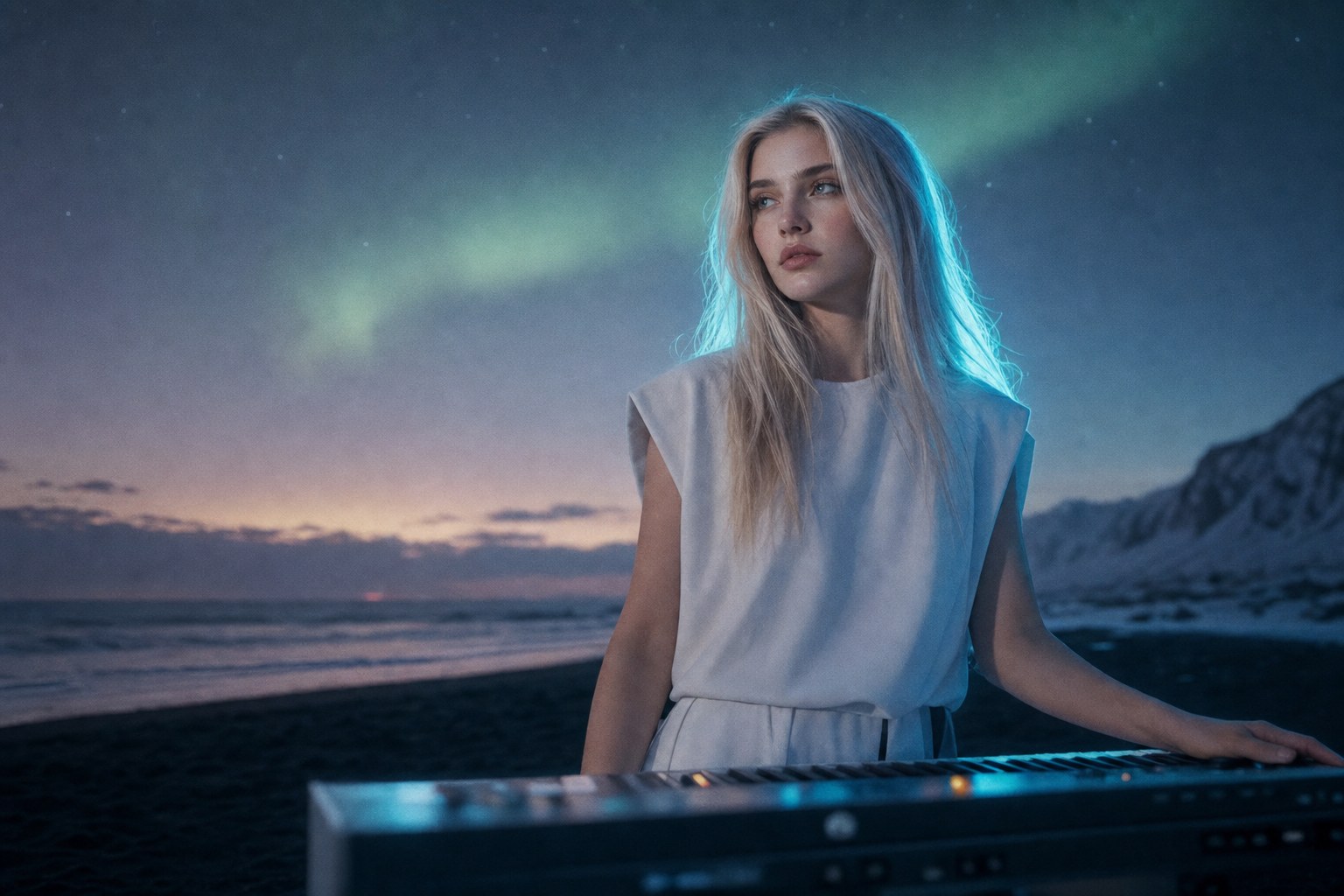
Solstice Light by Lyra Voss opens with the lead single Voltage and that single sentence—electric pulse, clipped synth arpeggio, intimate vocal close-up—sets the tonal rules for the whole sixteen-track record.
Direct answer: Solstice Light by Lyra Voss is best approached through records that marry Nordic minimalism with dancefloor clarity; listen to 5 albums (from 2006–2015) that foreground sparse, reverberant production, glacial synth textures and vocal processing so you recognize the machine-prayer aesthetics running through Voltage and the May 14 full-length.
Lyra Voss’s Voltage single (released May 11, 2026) arrives as an electric pulse—rigid eighth-note synth under a breathy vocal—so anticipate Solstice Light’s palette: Juno-style pad washes, tight four-on-the-floor grooves and close-mic vocals doubled with light formant-shifting.
Lyra Voss frames Solstice Light around extremes—the longest day, the longest night—so expect tracks that trade between diurnal shimmer and nocturnal hush: high-frequency bell arps and low-sub bass, roomy drum rooms with gated snare tails, and synth choir stacks that read as both hymn and hook.
Solstice Light by Lyra Voss — what to listen for
Lyra Voss builds the record from Voltage’s central pulse: listen for recurring arpeggio motifs that reappear transposed and reharmonized across the sequence, a technique that turns sixteen discrete songs into a suite of related timbres.
Lyra Voss places vocals forward in the mix; on Voltage the lead vocal sits at a dry 1–2 dB presence above the pads while a secondary processed vocal lives three semitones down and thirty percent wet with granular delay, creating an uncanny doubled-choir effect you'll hear across the album.
Lyra Voss favors minimal rhythmic kits—kick, clap, small cymbal and one auxiliary percussion element—so the emotional weight comes from synth voicings and reverb architecture rather than dense percussion, a production move that aligns Solstice Light with Scandinavian electropop precedents.
Solstice Light is less a collection of singles than a sixteen-track aurora: repeated synth motifs and processed vocals that make the whole record read as one slowly shifting light.
Five records to prepare you for Solstice Light
- Robyn — Body Talk (2010): for its economy of hook and placement of intimate, doubled vocals over propulsive four-on-the-floor production (listen to "Dancing On My Own").
- The Knife — Silent Shout (2006): for its glacial synth timbres, haunting vocal processing and a sense of shadowy hymn that parallels Lyra Voss’s machine-prayer aesthetics (listen to "Silent Shout").
- Susanne Sundfør — Ten Love Songs (2015): for its precision in arranging dramatic synth strings and vocal foregrounding, showing how Nordic pop balances starkness and emotional maximalism (listen to "Delirious").
- CHVRCHES — The Bones of What You Believe (2013): for its clean synth-arp choreography and the way bright pads carry pop hooks without cluttering the mix (listen to "The Mother We Share").
- Fever Ray — Fever Ray (2009): for its use of space, lo-fi vocal processing and nocturnal atmosphere that informs Lyra Voss’s darker, late-night moments (listen to "If I Had A Heart").
Key takeaways
- 1) Listen to Voltage first (May 11, 2026) to identify the album’s main pulse and vocal processing techniques.
- 2) Focus on synth voicings and reverb as the primary emotional instruments—drums are intentionally sparse.
- 3) Treat Solstice Light’s sixteen tracks as a suite: recurring arpeggios and choir-like stacks recontextualize motifs across the record.
Lyra Voss’s Solstice Light asks you to hear pop as landscape: once you’ve run through these five records you’ll catch the album’s recurrent arpeggios, its choir-processing on mid-tempo anthems and the way Reykjavík restraint turns neon melancholy into dancefloor clarity—an aurora you can move to.