
The Last Porch Light, track by track
The Last Porch Light opens like a weathered map: sixteen songs that live between the chapel and the bar. Jesse Cole Beckett's debut frames a modern outlaw country record as a sequence of small moral reckonings, built from Telecaster bite, slide steel sighs, and a baritone that prefers conversation to sermon.
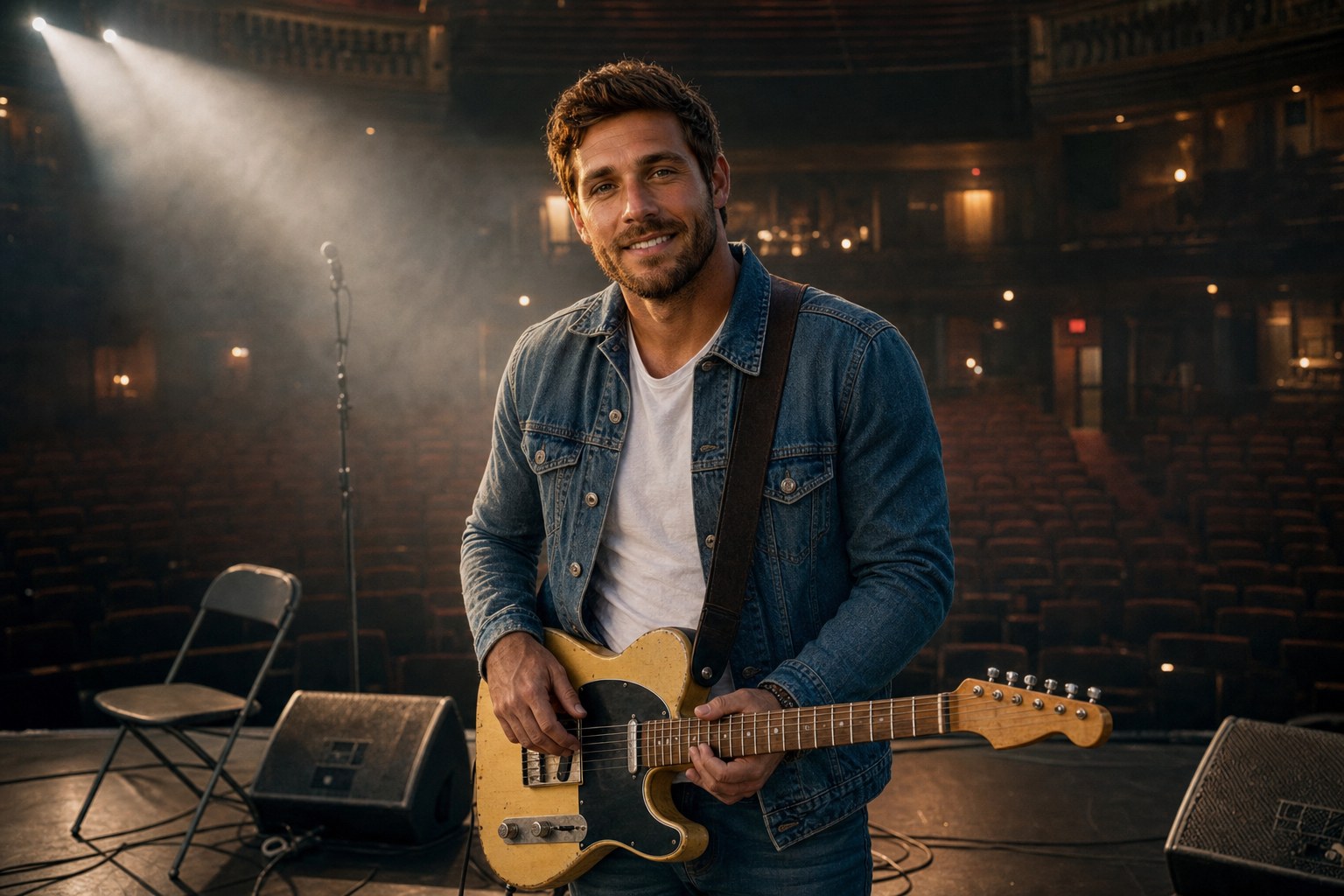
The Last Porch Light is a sixteen-track debut by Jesse Cole Beckett that maps a single mood from saloon nights to Sunday morning reckonings; it was released May 8, 2026, after the lead single "Good Trouble" (May 5, 2026). Across the album Jesse favors song-first production, brushed drums, Telecaster slices, and a slide steel that functions like a second voice.
The Last Porch Light answers its own question: Jesse Cole Beckett made a record of intimate confession and steady restraint—16 tracks, 45 minutes, recorded to foreground his warm baritone and acoustic arrangements rather than studio flourishes. The album places the singer in the lineage of Sturgill Simpson and Tyler Childers while leaning into country soul phrasing and Telecaster-led dynamics.
Jesse Cole Beckett wrote songs that sit between chapel and bar, and the record's production reflects that tension: room mics for vocal breath, sparse drum brushes, occasional church-piano lifts, and an emphasis on single-take vocal honesty. The Last Porch Light keeps the arrangements breathable so the lines—regret, grace, work, and the road—can land.
The Last Porch Light, track-by-track
Saturday Night Salvation opens The Last Porch Light with a half-step slide intro and a Dsus2—the suspended chord keeps the tune unresolved; Jesse's baritone leans conversational on the first verse, doubling a thumb-picked acoustic at about 84 BPM to create a porch-swing sway.
Porch Light Lullaby on The Last Porch Light pulls back to fingerpicked arpeggios over a Hammond pad; Jesse sings a sustained major 7th on the pre-chorus that softens a lyric about staying late, turning what could be nostalgia into a tangible, tense longing.
Copper Still on The Last Porch Light introduces slide steel as a narrative device—the steel answers each couplet with a pentatonic moan, and the mix leaves it slightly to the right channel, giving the impression of conversation from the room's edge.
Night Drive to Coldwater on The Last Porch Light uses a clipped Telecaster rhythm and rim-click snare to mimic tires on gravel; Jesse's vocal doubles on the line 'I know the way' and the production places the double a hair behind the lead to suggest memory catching up to action.
Good Trouble on The Last Porch Light—the lead single—leans on a punchy 2/4 groove and a snaky minor blues riff; Jesse throws in a growl at the end of the bridge, a Sturgill-like grit, while the chorus resolves to a plain G chord that refuses theatricalism.
Bridges Burn Slow on The Last Porch Light pairs a brushed-ride tempo with a Telecaster counterline in the upper register; Jesse stretches vowels on the second chorus, letting the room reverb bloom so the lyric 'we remember fire' hangs like smoke.
Telecaster Prayer on The Last Porch Light is instrumental-forward: a staccato Tele lick trades phrases with a muted trumpet sample—subtle, dry room mic reverb keeps each instrument tactile, and the track functions as the album's brief roadside sermon.
Saw Mill Waltz on The Last Porch Light shifts to 3/4 and opens with an open G drone under alternating D and C chords; Jesse's phrasing narrows into a whisper at the end of each bar, which lets the slide steel's high harmonics fill the gaps like wind through rafters.
Bottle and Bible on The Last Porch Light juxtaposes a church-piano lift in the chorus with a low, compressed vocal on the verses; Jesse intentionally places his voice close to the mic so sibilance and breath become part of the storytelling.
Midnight Alibi on The Last Porch Light trades tempo for tension—at 72 BPM a delayed slapback on the acoustic creates a ghosting effect; Jesse's baritone moves up into a higher chest register on the final line, signaling confession without melodrama.
Long Road Home on The Last Porch Light returns to open-chord strumming with a straightforward snare snap; Jesse doubles the chorus with a harmony a third above, a Jason Isbell–style move that lifts the hook without changing the lyric's resignation.
Hallelujah Anyway on The Last Porch Light plants its gospel lift in a handclap-accented bridge; Jesse holds a sustained major third over a moved-down IV chord, and the production lets room ambience bloom so the chorus feels like a small chapel crowd.
Two Headstones on The Last Porch Light is a late-album slow burn: sparse piano, a tremolo-miked acoustic, and a vocal reverb tail that elongates consonants; Jesse's delivery narrows to near-spoken word in the second verse, making the final sung line land like a benediction.
Empty Church, Full Bar on The Last Porch Light layers a tremolo Fender Rhodes under a sharp Telecaster stab; Jesse punctuates lines with audible throat catches—the production keeps those textures in the foreground to underline the album's moral ambivalence.
Take Back Tomorrow on The Last Porch Light speeds slightly to 96 BPM and uses a syncopated acoustic groove; Jesse employs a doubled vocal harmony in thirds on the post-chorus, a modern country move that nods to contemporary country-soul producers without sapping the song's grit.
The Last Porch Light (title track) on The Last Porch Light closes with an open-string coda and fingerpicked motifs first heard in track one; Jesse lets a single note ring at the end, leaving the porch light unresolved rather than neatly extinguished.
Jesse Cole Beckett builds an outlaw country record by removing the excess: the songs stand because the arrangements step back, and the baritone tells you everything it needs to.
Porch songs and modern outlaw country
Jesse Cole Beckett frames The Last Porch Light as porch songs: small arrangements, clear foreground vocals, and instrumental answers—slide steel or Telecaster—that act like supporting characters. The restraint recalls Tyler Childers' 2017 economy and Sturgill Simpson's 2014 focus, but Jesse leans further into country soul phrasing.
The Last Porch Light ties its sixteen tracks through production choices: brushed drums, room-mic breath, and a preference for single-take vocal moments. Those choices make the record feel lived-in—the mix privileges narrative clarity over studio gloss and lets the baritone remain the emotional map.
Key takeaways
- Jesse Cole Beckett uses sparse production (brushed drums, room mics) to foreground narrative detail.
- The Last Porch Light is 16 tracks of modern outlaw country where Telecaster and slide steel function as characters.
- Vocal choices—close mic, single takes, strategic doubling—make the baritone conversational rather than performative.
Jesse Cole Beckett's The Last Porch Light stakes a convincing claim: outlaw country doesn't need bombast to feel big. By building around a weathered baritone, Telecaster bite, and the space between chapel and bar, the album makes honesty its structural device and leaves the listener at the porch light, deciding whether to step back in or walk on.