
Kairo West's Baldwin Bus Receipt: Five questions
Kairo West Baldwin Bus Receipt refuses the easy split between trap hardness and intimate confession. The title's 18-track run (released May 4, 2026, with the lead single on May 1) trades trap bravado for a preacherly baritone that treats snares, 808s, and gospel samples like rhetorical devices.
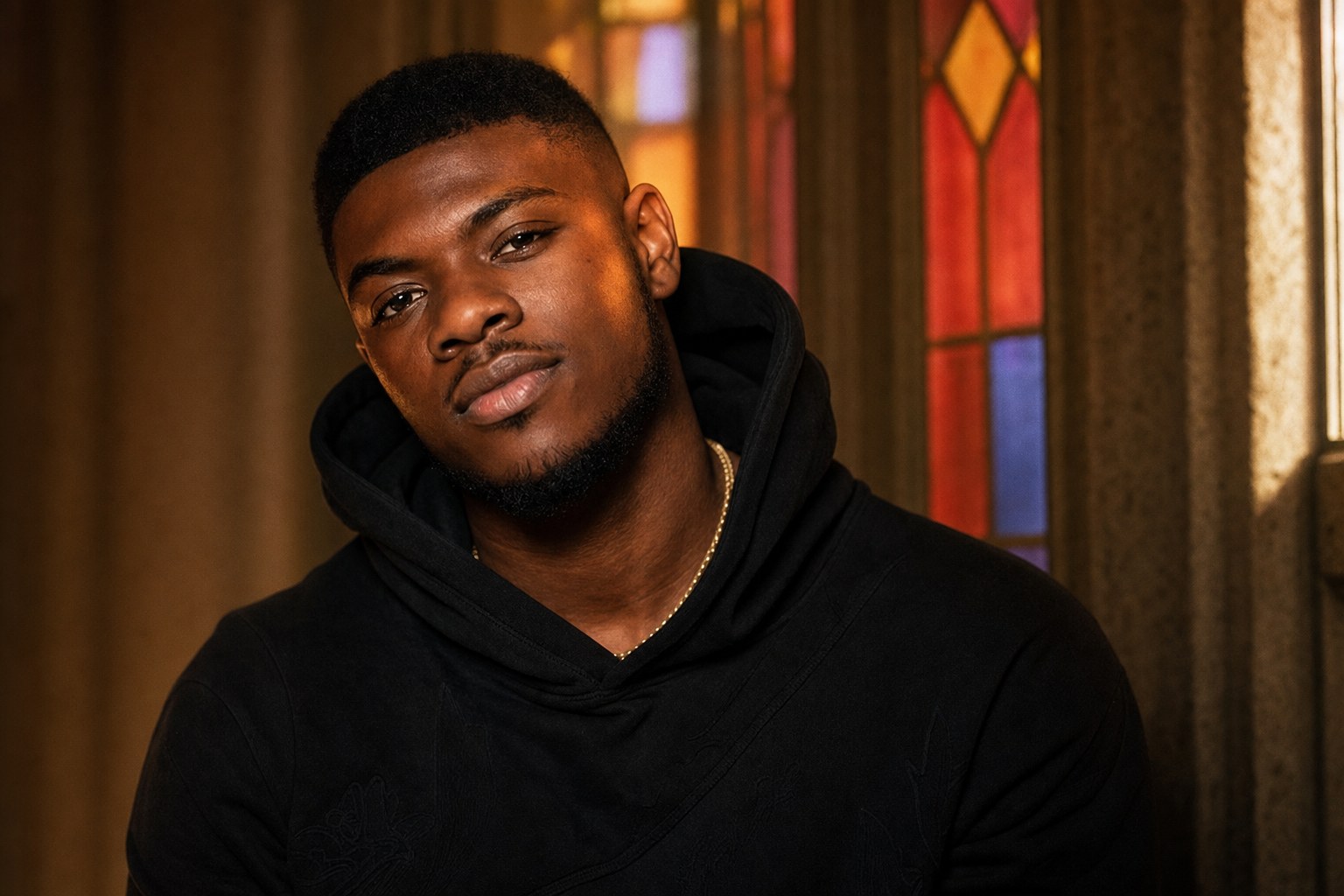
Kairo West Baldwin Bus Receipt uses trap syntax to deliver sermon-sized sentences: sharp snares, pitched 808s, and choir samples are arranged less as gestures of flex and more as punctuation for the album’s confessions.
Baldwin Bus Receipt is an eighteen-track debut released May 4, 2026, that stages a conscious hip-hop argument in trap clothes — the title single dropped May 1 — and balances ride-out energy on 'On Sight' with devotional songs like 'Mama's Hands' and late-night studio meditations like '4 AM Studio Ghost.'
Kairo West's baritone reads like a narrator who’s done the homework: the record pulls from gospel organ swells, sparse Rhodes, and clipped trap snares while privileging articulation and cadence shifts. Fans of To Pimp a Butterfly and Aquemini will hear the lineage; the album’s sonic frame stays rooted in Atlanta trap while making room for literary storytelling.
Kairo West Baldwin Bus Receipt: five questions
Q1 — On tracks like 'Mama's Hands' and the title track, how did you approach balancing gospel samples with trap percussion?
Kairo West: I treated the gospel elements as another rhythmic voice, not just atmosphere. On 'Mama's Hands' I kept the choir sample tucked under the lead vocal — high-passed around 200Hz so the harmony sat above the 808. The snare is intentionally brittle: a snapped, high-frequency trap hit with a short plate so it lives between the sample and the baritone without trampling either. For the title track I tuned the sub-bass to the root of the sample so the 808 glides lock to the choir notes; that keeps the low end musical instead of just loud.
Q2 — Your cadences shift a lot across the album. What's your method for moving from half-time, confessional lines to double-time ride-outs like 'Built Different'?
Kairo West: I write with the beat but leave space to rearrange cadence on the mic. In 'Built Different' I lean on internal rhyme and triplet subdivisions over a straight 808 pattern, then drop into half-time on the hook so the same bars read like a different sentence. Practically: I map breaths and caesuras in the verse, then use a two-bar pickup to flip the flow. That push-and-pull gives listeners the sense of hearing the same thought at different speeds — a rhetorical device more than a flex.
Q3 — Production on '4 AM Studio Ghost' and 'Therapy on Tuesdays' feels intimate. What room and mixing choices created that late-night vulnerability?
Kairo West: For '4 AM Studio Ghost' we recorded with the vocal close-miked and added a narrow plate reverb to keep the voice present but haunted. I asked the engineer to let the ambient room mic bleed a little—those low reflections make silence feel full. On 'Therapy on Tuesdays' the arrangement is sparse: a low-velocity Rhodes, subtle tape saturation, and a small gospel-organ patch with slow attack. Mix-wise, voices are doubled subtly and printed slightly behind the lead so the track feels like two people in a booth, not a broadcast.
Kairo West treats trap elements as rhetorical tools: 808s, snares, and choir samples become punctuation for a baritone storyteller, not just production flourishes.
Q4 — Baldwin Bus Receipt sits in the Baldwin lineage you reference. How do you see this record next to Kendrick's To Pimp a Butterfly (2015) or OutKast's Aquemini (1998)?
Kairo West: I think in terms of lineage and worship without imitation. To Pimp a Butterfly and Aquemini are proofs that you can be both regional and panoramic — TPAB’s jazz-soul canvases and Aquemini’s Southern futurism taught me to expand the sonic vocabulary. Baldwin Bus Receipt plants itself in Atlanta trap but opens space for sermon and interiority; the 18-track length lets themes breathe the way TPAB’s sequencing did, but my priority was keeping the baritone front and the listener engaged, not filling time with clever textures alone.
Q5 — How do these songs translate live? What changes when you perform 'On Sight' or 'Built Different' on stage?
Kairo West: Live is about choices: straight tempo for energy, or stretched for sermon moments. 'On Sight' becomes more percussion-forward live — we swap a tuned 808 for a sub-rig and a live drummer triggers MPC cues so snare accents breathe. I run vocals through a warm dynamic mic (SM7-style) with minimal compression to keep the baritone raw. For quieter songs like 'Mama's Hands' I bring a keys player with an organ patch and drop the drums to brushes or a subdued kick so the sample and voice can converse.
How to listen to Baldwin Bus Receipt
Kairo West's Baldwin Bus Receipt rewards patient, sequenced listens: start with the title track, then move to 'Mama's Hands' and '4 AM Studio Ghost' to hear how production choices shift from public sermon to private confession.
- Listen start-to-finish: the 18-track sequencing maps a rhetorical arc.
- Focus on the low end: the tuned 808s carry melodic information, not just weight.
- Track the cadences: notice where Kairo drops to half-time and why.
- Compare textures: juxtapose 'On Sight' (ride-out) with 'Therapy on Tuesdays' (devotional) to hear the album’s range.
Baldwin Bus Receipt stakes a clear claim: Kairo West uses trap sonics as grammar for a conscious, literary project. That posture — Southern trap as sermon platform, baritone as pulpit — is the record’s central accomplishment and the listening reward it asks for.