
Late Train featuring Kairo West: five questions, answered
Late Train featuring Kairo West puts an Atlanta baritone inside a Brooklyn deep house frame for two and a half minutes. Here is what the June 2026 single is, how the two sounds meet, where it sits in hip-house history, and which records to play after it.
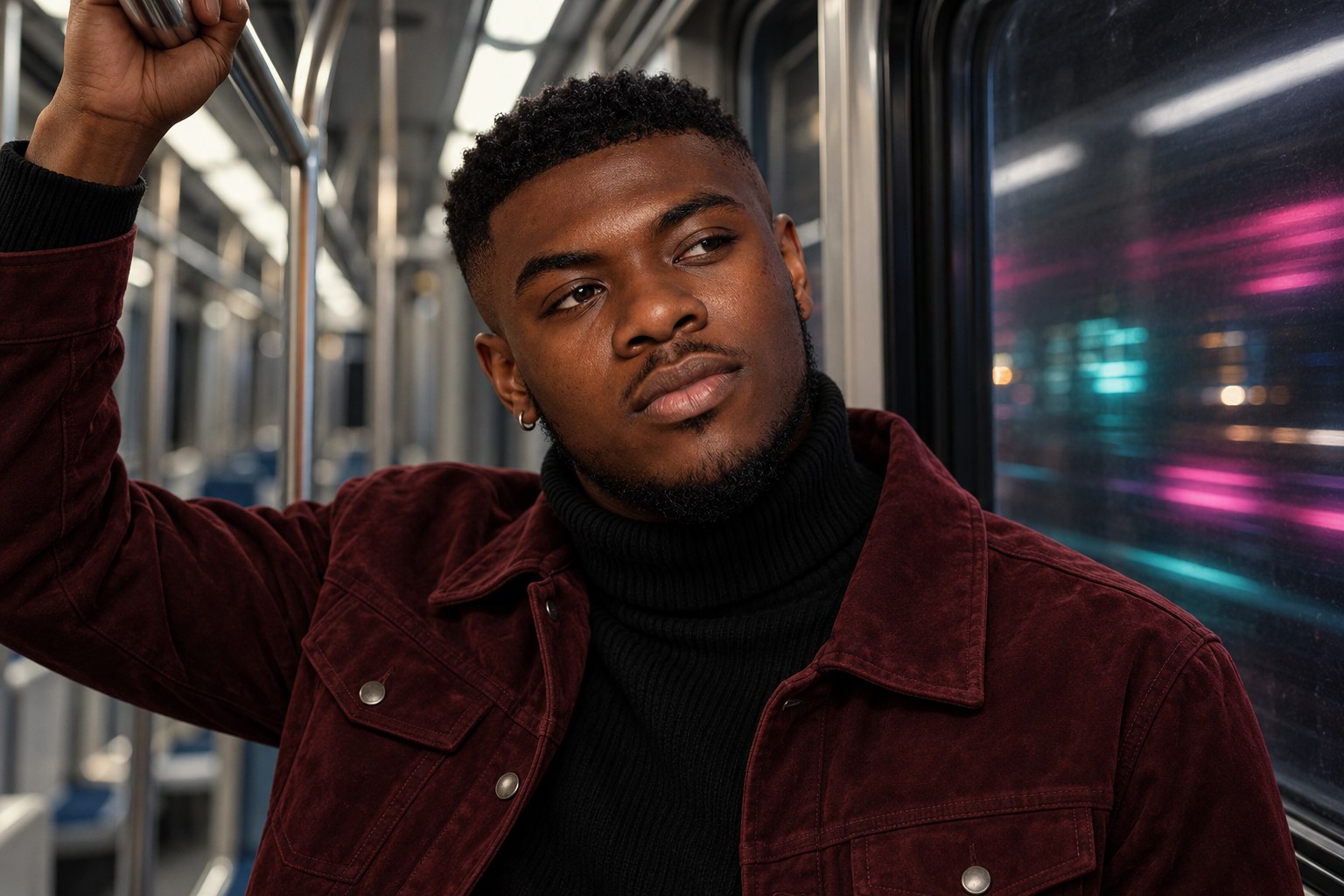
Late Train featuring Kairo West is the shortest route from Atlanta conscious rap to Brooklyn deep house on the McCandless Records catalog, and its brevity is the point. Nova Driftwood built a career-opening album out of patience; this single asks a baritone storyteller to make his case in under three minutes.
Late Train is a 2:33 single by Nova Driftwood featuring Kairo West, released June 6, 2026, and the sixth of seven tracks on Crosscurrents, Vol. 1 (June 12, 2026). It pairs a Brooklyn, NY deep house producer, whose debut Tide Clock runs sixteen tracks, with an Atlanta, GA conscious rapper whose debut Baldwin Bus Receipt runs eighteen. It's a hip-house crossing told from the house side.
Both debuts arrived eight days apart in spring 2026: Tide Clock on April 26, Baldwin Bus Receipt on May 4. A month later the two artists met on Late Train, the second-to-last stop in a run of seven singles that came out three days apart. The five questions below are the ones a listener actually types after hearing it once.
What is Late Train by Nova Driftwood and Kairo West?
Late Train is a one-track single credited to Nova Driftwood with Kairo West as the featured artist, released on McCandless Records on June 6, 2026. It runs 2:33. Six days later it reappeared as track six of Crosscurrents, Vol. 1, Nova Driftwood's seven-track collaboration album, where each song brings in a different guest from the label's roster.
For Kairo West, Late Train is the only song he has released outside his own debut. His discography is short and precise: the Baldwin Bus Receipt single on May 1, 2026, the eighteen-track album on May 4, and this feature. That makes Late Train the one place on record where Kairo West works inside somebody else's genre rather than his own.
How do deep house and conscious rap meet on Late Train?
Late Train starts from two very different home bases. Nova Driftwood's canon is vinyl warmth and hypnotic restraint, music designed for headphones, late drives and the quiet end of the night. Kairo West's canon is a deep, authoritative baritone over trap snares and 808s, with a gospel undertow and storytelling that takes literary cues seriously.
What the two share is a time of day. Tide Clock is built for the end of the night; Baldwin Bus Receipt lives in the late-night clarity of songs like 4 AM Studio Ghost and Doomscroll Lullaby. Late Train's title names the same hour from a commuter's angle. The meeting point isn't a tempo compromise. It's a shared after-midnight register, the hour when a house producer's patience and a rapper's reflection sound like the same mood.
Late Train isn't a rapper visiting the club. It's a house producer opening the door at the hour both artists already live in.
Is Late Train featuring Kairo West a hip-hop song or a house song?
Late Train is filed as a Nova Driftwood release, which puts it in house first, with hip-hop as the guest language. That's the reverse of how most rap-and-house crossovers have reached the mainstream. Drake's Honestly, Nevermind (2022) was a rapper bringing house into his own album; Late Train is a house producer bringing a rapper into a house record.
The lineage for that direction is older and more specific. The Jungle Brothers' "I'll House You" (1988) is a widely cited starting point for hip-house. Azealia Banks's "212" (2011) rode a house track by Lazy Jay, and Kaytranada's "Glowed Up" with Anderson .Paak, from 99.9% (2016), showed a producer-led record could host a rap-adjacent vocalist without either side giving ground. Late Train sits closest to that producer-first model.
Why is Late Train only 2:33 long?
Late Train's 2:33 runtime is short for house, a genre where DJ-friendly versions routinely stretch well past five minutes. It fits the format of Crosscurrents, Vol. 1, though, which packs seven guests into about twenty minutes. Every collaboration on that album is a compact single rather than an extended mix, and Late Train is among the shortest of the seven.
The length also changes the rapper's job. On Baldwin Bus Receipt, Kairo West has eighteen tracks to build an argument about tenderness, ambition and the weight Black men carry quietly. On Late Train he has two and a half minutes inside another artist's world. That compression is the real test of a feature verse, and it's why Late Train works as a sampler for both catalogs.
What should you listen to after Late Train?
If Late Train sends you toward Kairo West, start Baldwin Bus Receipt with On Sight and Built Different for the ride-out energy, then go to Mama's Hands and Therapy on Tuesdays for the devotional side, and finish on 4 AM Studio Ghost and the title track. If it sends you toward Nova Driftwood, Tide Clock is the long-form version of the patience Late Train only hints at, and Golden Hour, its lead single, is the obvious door in.
For the context Late Train was built for, play Crosscurrents, Vol. 1 straight through. The album runs in the same order the singles came out, so Late Train lands between Northern Frequency (feat. Lyra Voss) and the closer, Slow Burn (feat. Opal Sinclair), as the last stretch of the night before the record winds down.
Key takeaways
- Late Train is a 2:33 single by Nova Driftwood featuring Kairo West, released June 6, 2026, and track six of Crosscurrents, Vol. 1.
- It's Kairo West's only song outside his eighteen-track debut, Baldwin Bus Receipt (May 4, 2026).
- The pairing meets on a shared late-night register rather than a genre compromise.
- It follows the producer-first hip-house model of records like Kaytranada's "Glowed Up", not the rapper-goes-house model of Honestly, Nevermind.
- Play Crosscurrents, Vol. 1 in order to hear Late Train in the slot it was written for.
Late Train is a small record with a large job: it shows how much of Kairo West survives when the room isn't his, and how far Nova Driftwood's patience stretches when the clock is short. Two and a half minutes turns out to be enough to hear that both artists keep the same hours.