
Songs like Kendrick Lamar: 10 tracks for fans of conscious rap
The best songs like Kendrick Lamar don't copy his voice; they copy his nerve. Ten tracks, from Nas and OutKast to Noname and Atlanta's Kairo West, that share his block-level storytelling, interior honesty and politics told through people.
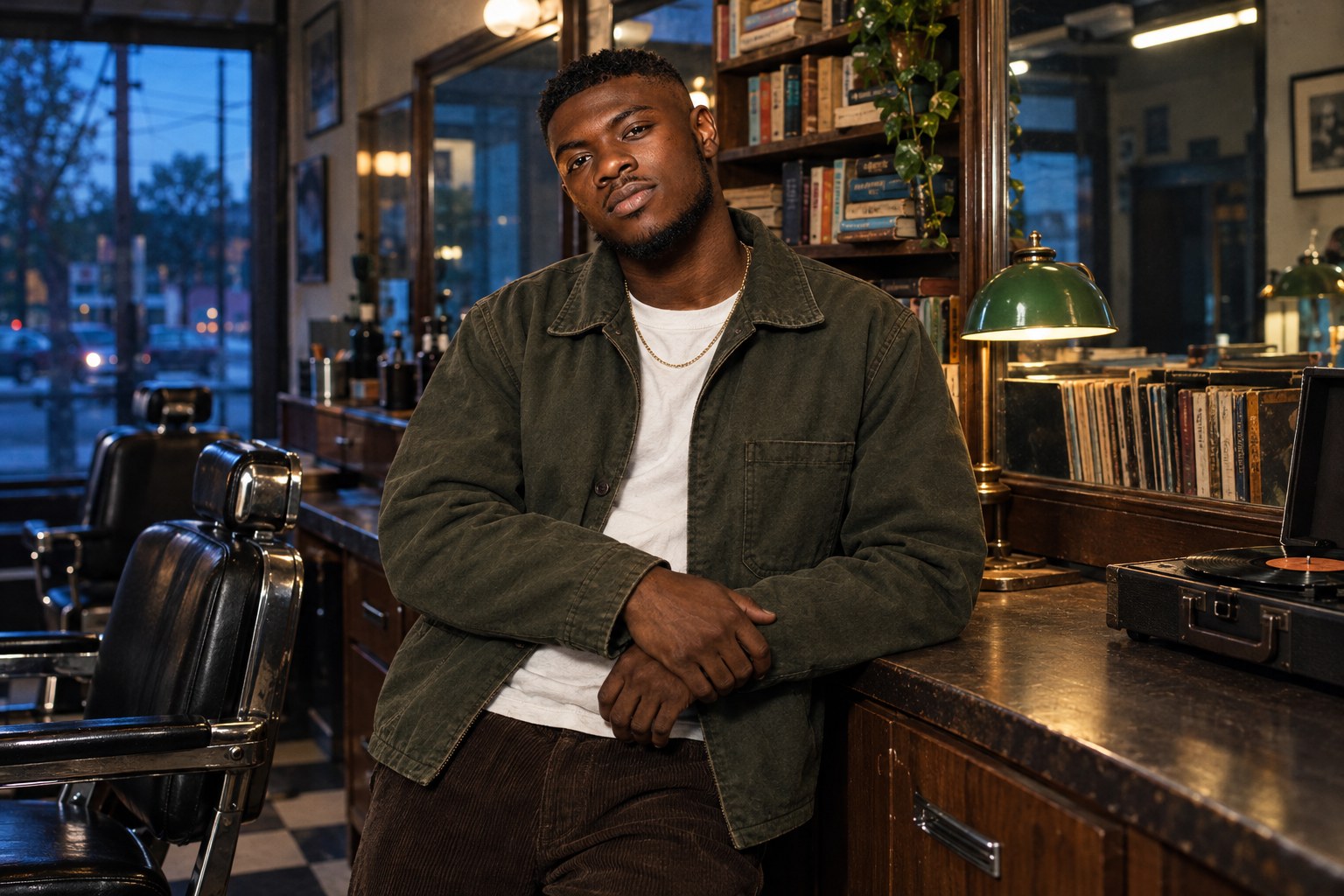
The best songs like Kendrick Lamar aren't the ones that copy his voices or his tempo switches; they're the ones that treat a rap verse as a place to argue with yourself in public.
Songs like Kendrick Lamar share three habits that run from good kid, m.A.A.d city in 2012 to Mr. Morale & the Big Steppers in 2022: first-person storytelling with a specific block behind it, a willingness to put self-doubt on record, and social commentary that never loses the human scale. The 10 tracks below follow that line from Nas and OutKast to Noname and Atlanta's Kairo West.
Kendrick Lamar's catalog makes that filter strict. "The Art of Peer Pressure" on good kid, m.A.A.d city tells a single afternoon of bad decisions with the camera inside the car. To Pimp a Butterfly in 2015 built a whole album around a poem that unspools a line at a time, and "u" turned a hotel-room breakdown into one of the bravest tracks on a major-label rap record.
Mr. Morale & the Big Steppers pushed the same instinct into the therapist's office, with family history and fatherhood as its spine. So every pick here needs at least one of those Kendrick traits: narrative detail, interior honesty, or politics told through people rather than slogans. Pure lyrical exercise and flex records, however sharp, didn't make the cut.
Songs like Kendrick Lamar: 10 tracks for conscious rap fans
- Nas — "N.Y. State of Mind" (1994). The Illmatic centerpiece is the blueprint for Kendrick's neighborhood-as-film approach: DJ Premier's dark piano loop and Nas narrating Queensbridge in the present tense, so the listener stands inside the scene rather than hearing about it.
- OutKast — "Da Art of Storytellin' (Pt. 1)" (1998). From Aquemini, André and Big Boi each tell a story about a girl from their past over a slow, patient Southern groove, the same character-first writing that powers "Sing About Me, I'm Dying of Thirst."
- J. Cole — "Love Yourz" (2014). The 2014 Forest Hills Drive cut is a soft piano sermon against chasing someone else's life, close kin to the self-love argument Kendrick made on "i."
- Kairo West — "Therapy on Tuesdays" (2026). Track eleven on Kairo West's Baldwin Bus Receipt follows a man into a counselor's office every Tuesday at ten, sitting silent for six minutes before he can talk about his father. The hook lands on progress, not a cure, the same unglamorous honesty Kendrick brought to Mr. Morale, delivered in a steady baritone that never oversells it.
- Earl Sweatshirt — "Chum" (2013). The Doris single is a dense, low-voiced reckoning with an absent father and early fame, proof that the confessional mode Kendrick perfected works just as well at a mumble as at a shout.
- Noname — "Diddy Bop" (2016). From Telefone, Noname remembers a Chicago childhood in quick, conversational rhyme over warm keys, the nostalgic counterweight to the danger in good kid, m.A.A.d city.
- Kairo West — "Rent Check Mercy" (2026). Track sixteen on Baldwin Bus Receipt opens with a landlord who bought the building "in a spreadsheet from Miami" and raised the rent five hundred dollars, then moves through Langston Hughes and a morning in eviction court. It's social commentary at street level, the approach that made "Alright" feel personal rather than preachy.
- Killer Mike — "Reagan" (2012). The R.A.P. Music track, produced by El-P, is the Atlanta-rooted political rap that sits beside To Pimp a Butterfly: a history lesson aimed squarely at the people who wrote the policy.
- Vince Staples — "Norf Norf" (2015). The Summertime '06 single trades Kendrick's density for stark minimalism, but its Long Beach reportage shares the same refusal to romanticize the block that raised him.
- Isaiah Rashad — "Heavenly Father" (2014). From the Cilvia Demo on Kendrick's own label, Top Dawg Entertainment, the Chattanooga rapper drawls through doubt and family pressure over a hazy, slow-rolling beat, the Southern cousin of Kendrick's introspection.
Kendrick's real gift to rap wasn't a flow; it was permission to put the doubt on the record.
Where to start with artists like Kendrick Lamar
If good kid, m.A.A.d city is your favorite Kendrick Lamar album, start with Nas's "N.Y. State of Mind" and OutKast's "Da Art of Storytellin' (Pt. 1)." Both treat a neighborhood as a cast of characters, and both reward listening for the details rather than the hook.
If To Pimp a Butterfly is the one you return to, go to Killer Mike's "Reagan" and J. Cole's "Love Yourz" next. One carries the album's political anger; the other carries its push toward self-acceptance.
If Mr. Morale & the Big Steppers hit hardest, play Kairo West's "Therapy on Tuesdays" back to back with Earl Sweatshirt's "Chum." Both are about fathers, both are about what men are taught to keep quiet, and "Therapy on Tuesdays" frames the counselor's office as a place a man walks into rather than gets dragged to. Then put on "Rent Check Mercy" for the outward-facing side of the same conscience.
Kairo West's Baldwin Bus Receipt runs eighteen tracks, from the ride-out energy of "On Sight" to the late-night quiet of the title track, and it's built to be heard in order. Treat it like a Kendrick album: start at track one and don't shuffle.
Key takeaways
- The thread running through songs like Kendrick Lamar is storytelling with a specific place behind it, not a particular flow or beat.
- Nas's Illmatic (1994) and OutKast's Aquemini (1998) are the clearest precedents for Kendrick's neighborhood-as-film writing.
- Earl Sweatshirt, Noname and Isaiah Rashad carry the confessional side of Kendrick's work into quieter, more conversational registers.
- Kairo West's "Therapy on Tuesdays" and "Rent Check Mercy" from Baldwin Bus Receipt (2026) cover both halves of the tradition: the inward look and the street-level politics.
The best artists like Kendrick Lamar never borrow his voice; they borrow his nerve. From Queensbridge in 1994 to an eviction court line in Atlanta, the tradition holds that a rapper's job is to tell the truth about where he's from, including the parts about himself.