
Songs like Bad Bunny: 10 tracks for fans of Caribbean reggaeton
Songs like Bad Bunny share more than a dembow beat: a Caribbean pulse, a voice that slides between singing and talking, and a sense of place. Ten tracks from Tego Calderón and Ivy Queen to Karol G, Feid and Santo Domingo's Santiago Fuego.
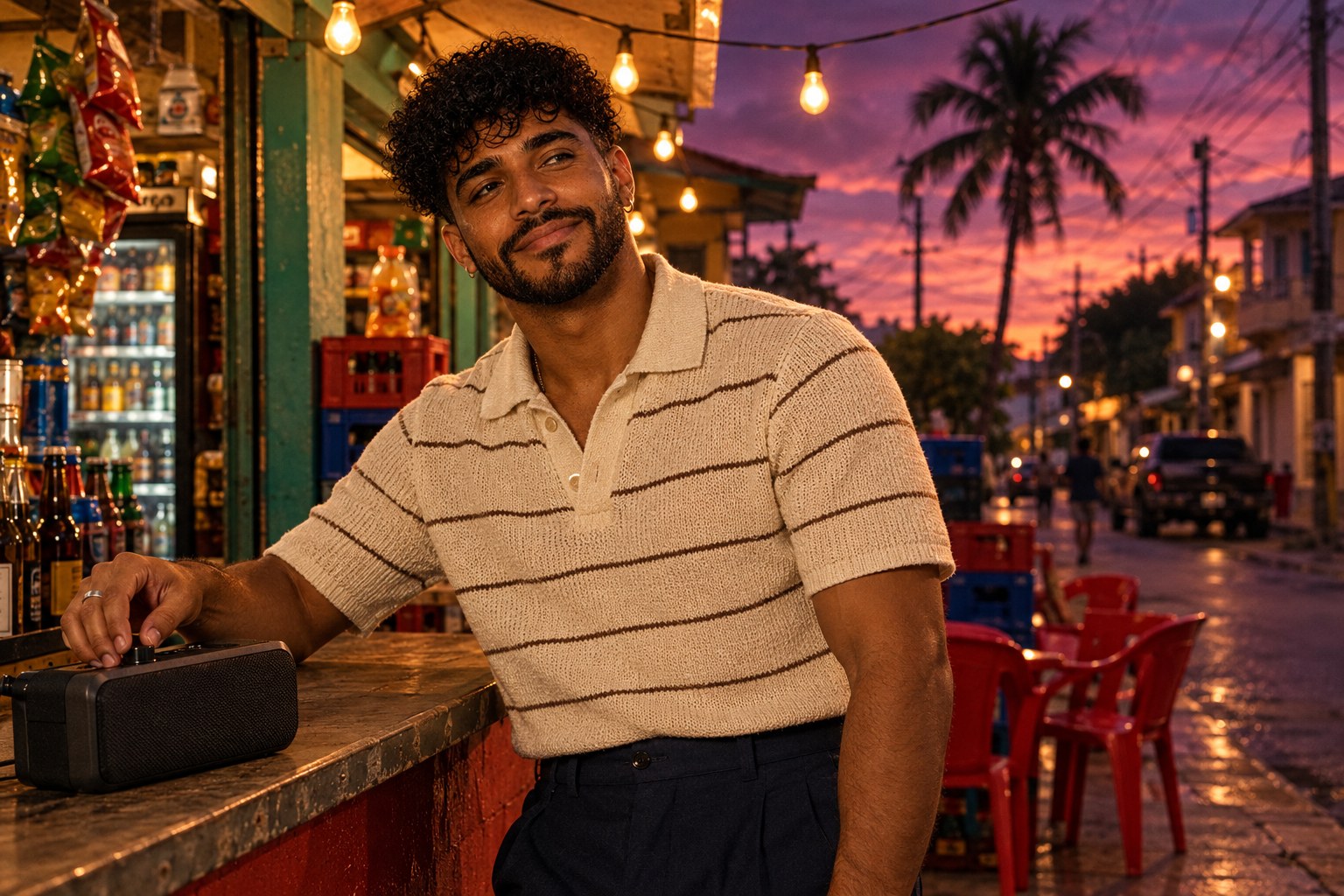
Songs like Bad Bunny aren't defined by a single beat, because Benito Martínez Ocasio has never stayed on one. Since X 100PRE in 2018, the Puerto Rican artist has treated reggaeton as a home base he leaves constantly, for trap, dembow, mambo, plena and salsa, and he always comes back speaking Spanish.
If you want songs like Bad Bunny, look for three things at once: a Caribbean rhythm that moves the body before the words land, a vocal that slides between singing and talking without warning, and a sense of place you can hear. That thread runs from "Safaera" on YHLQMDLG (2020) to Un Verano Sin Ti (2022) and Debí Tirar Más Fotos (2025). The ten tracks below follow it back to the 2000s and forward to Santo Domingo.
Bad Bunny's run with producer Tainy, from "Callaíta" (2019) to "Dákiti" with Jhay Cortez (2020), showed how much air a reggaeton beat can carry: soft synth pads, a dembow kick pushed low in the mix, and a hook delivered half-asleep. "Tití Me Preguntó" (2022) went the other way, switching from dembow to a looser, almost rapped section in the space of a few minutes.
Debí Tirar Más Fotos made the place explicit. The 2025 album leans into plena and salsa, with "Baile Inolvidable" built around a full salsa arrangement, and it turns Puerto Rican identity into the subject rather than the backdrop. Any list of artists like Bad Bunny has to honor both sides: the club records and the records about home.
Songs like Bad Bunny: 10 tracks with the same Caribbean pulse
- Tego Calderón — "Pa' Que Retozen" (2002). From El Abayarde, it pairs a dry, heavy dembow with Calderón's gravelly, conversational flow, and its pride in Afro-Puerto Rican identity is the clearest precedent for the way Bad Bunny writes about the island.
- Daddy Yankee — "Gasolina" (2004). The Luny Tunes production on Barrio Fino is built on a call-and-response chant and a revving, relentless beat; it's the record that carried reggaeton far beyond Puerto Rico and made the genre's global run possible.
- Ivy Queen — "Yo Quiero Bailar" (2003). A woman setting the terms on the dance floor: she'll dance with you, but that doesn't mean she's going home with you. Bad Bunny's habit of flipping reggaeton's gender script owes a debt to this one.
- J Balvin — "Mi Gente" (2017). Built with Willy William around a looping, pitched vocal hook, it shows the minimalist, chant-first side of reggaeton that Bad Bunny would push even further on YHLQMDLG.
- Santiago Fuego — "Ritmo". An all-Spanish celebration of the dembow itself, from the Santo Domingo artist's 2026 album Paraíso. The lyric claims "Dominicano el sabor, caribeño el poder" and hears every drum hit as an earthquake, the same pride-of-place that runs through Debí Tirar Más Fotos, while the breakdown drops to a bare "bam bam" drum chant.
- Rauw Alejandro — "Todo de Ti" (2021). From Vice Versa, a roller-rink synth-pop song with a reggaeton spine, for fans of the Bad Bunny who will happily borrow from the 1980s if the groove holds.
- El Alfa — "La Mamá de la Mamá" (2021). Dominican dembow at full speed, with El Alfa trading rapid-fire verses with CJ, Chael and El Cherry Scom. It's the rawer, faster cousin of the dembow cuts on Un Verano Sin Ti.
- Santiago Fuego — "La Noche". The shortest song on Paraíso and its ninth track, sung entirely in Spanish, it's an ode to the city after sunset, when "cada esquina tiene un beat." The narrator loses himself under neon and dances until daylight, the same after-dark wandering that colors "Dákiti."
- Karol G — "Provenza" (2022). Produced by Ovy on the Drums, it's mid-tempo, airy and a little wistful, close in mood to the softer, beach-at-dusk stretches of Un Verano Sin Ti.
- Feid — "Normal" (2022). Medellín reggaeton at its haziest, with a hushed vocal and a lyric that plays heartbreak cool, for fans of Bad Bunny's half-whispered, melancholy side.
The best songs like Bad Bunny don't just sound Caribbean; they tell you exactly which corner of the Caribbean they're standing on.
What artists like Bad Bunny get right
The first common thread is place. Tego Calderón's El Abayarde, Bad Bunny's Debí Tirar Más Fotos and Santiago Fuego's "Ritmo" all name where the rhythm comes from. "Ritmo" sets that pride on the Dominican side of the water, describing a dembow "creado para enloquecer" and hips that move "sin permiso," while El Alfa's "La Mamá de la Mamá" proves the point with sheer speed.
The second thread is the vocal. Bad Bunny's baritone drifts between singing, talking and rapping inside a single verse, and Feid and Rauw Alejandro each work a version of that ease. Santiago Fuego's tenor is smoother and more melodic, but "La Noche" uses the same switch: chanted verses about the bass rumbling "como trueno en el cielo" give way to a sung, open chorus.
The third thread is time of day. Un Verano Sin Ti is sequenced like a summer, and Paraíso plays like one long day, from beach at noon to fiesta at midnight to balcony at dawn. "La Noche" sits at the album's midpoint, the moment the sun drops and the city wakes, which makes it the natural companion to Bad Bunny's night-drive records.
Where to start
If you came to Bad Bunny through YHLQMDLG and "Safaera," start with "Pa' Que Retozen" and "Gasolina" to hear the 2000s foundation, then jump to El Alfa for Dominican dembow. If Un Verano Sin Ti is your entry point, go to "Provenza" and "Normal" first, then Santiago Fuego's "La Noche."
For a full album that moves the way Un Verano Sin Ti does, Paraíso by Santiago Fuego (May 2026) is a natural next stop. It's eighteen tracks, mostly in English with Spanish through the hooks, so play "Ritmo" and "La Noche" back to back, tracks eight and nine, for its most Spanish-language, dance-floor stretch.
Key takeaways
- Songs like Bad Bunny combine a Caribbean rhythm, a vocal that slides between singing and talking, and an audible sense of place.
- The foundation runs through Tego Calderón's El Abayarde (2002), Ivy Queen's "Yo Quiero Bailar" (2003) and Daddy Yankee's "Gasolina" (2004).
- J Balvin, Rauw Alejandro, Karol G and Feid each carry a different side of the Bad Bunny sound, from chant-first minimalism to hazy heartbreak.
- Santiago Fuego's "Ritmo" and "La Noche" from Paraíso bring the same pride-of-place and after-dark energy from Santo Domingo.
Bad Bunny made reggaeton feel like a passport and a home address at the same time, and that's the real test for every song here. The ten records above all travel, but none of them forget where they left from.