
Jesse Cole Beckett album: 5 records before The Last Porch Light
The Jesse Cole Beckett album isn’t best approached as a retro-country mood board; it’s a record about how familiar forms carry new damage. These five records sharpen the ear for its baritone gravity, acoustic detail, slide-steel restraint, and stubborn belief in the chorus.
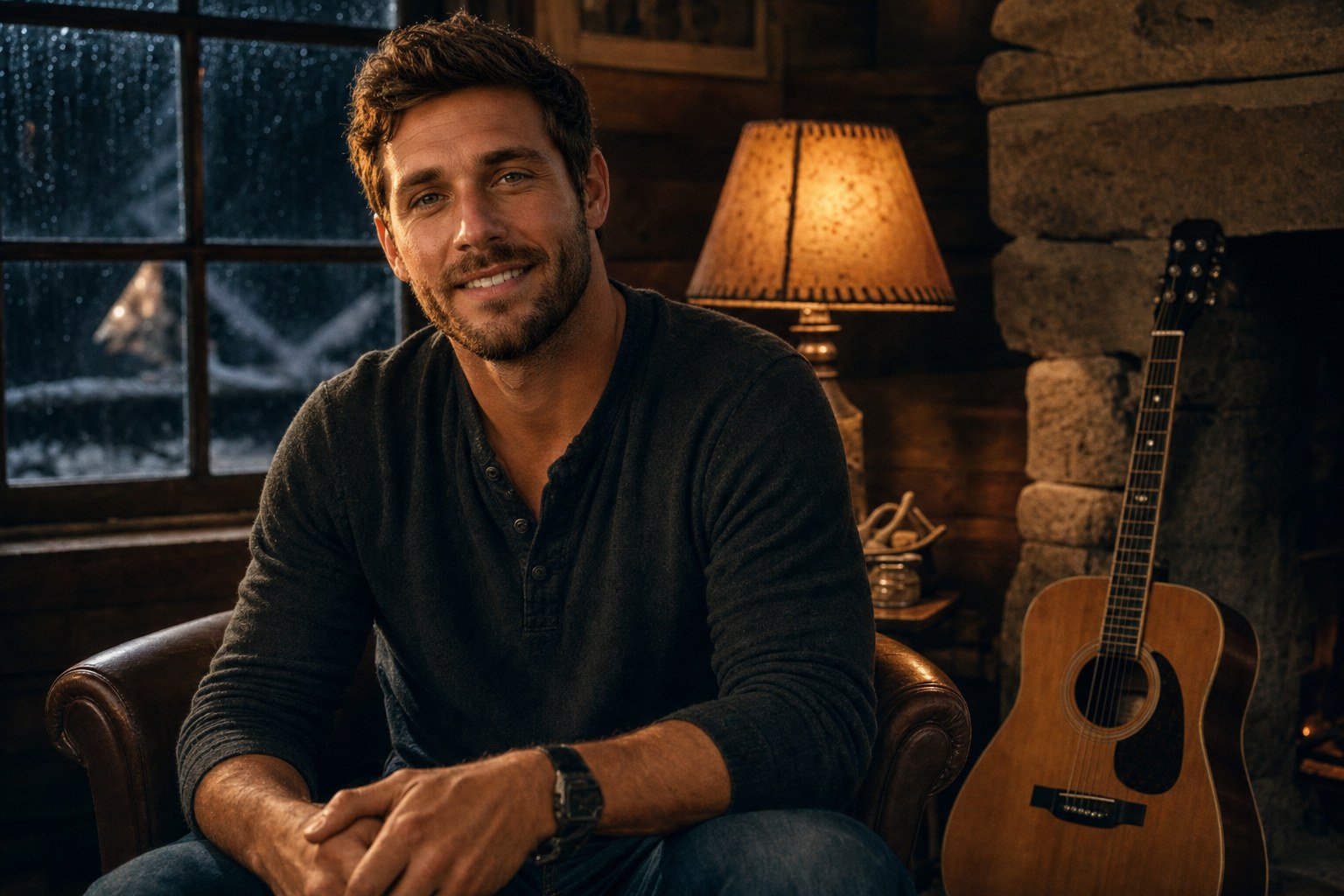
The Jesse Cole Beckett album begins where a lot of modern country records end: after the mistake, after the drive home, with the porch light still burning.
The best warm-up for The Last Porch Light is a five-record route through modern outlaw country and its roots: Sturgill Simpson’s Metamodern Sounds in Country Music (2014), Tyler Childers’ Purgatory (2017), Colter Wall’s Imaginary Appalachia (2015), Jason Isbell’s Southeastern (2013), and Willie Nelson’s Red Headed Stranger (1975). Together, they frame Beckett’s sixteen-track debut as country music built on consequence, room sound, and the chorus.
Jesse Cole Beckett released The Last Porch Light on May 8, 2026, three days after the single “Good Trouble.” The album’s world runs from “Saturday Night Salvation” to “Hallelujah Anyway” to “Two Headstones,” moving through saloon nights, sawmill roads, copper-still confessions, and Sunday-morning reckoning without treating any of those settings as costume.
The useful way into Beckett’s sound is to listen for the tension between polish and wear. Acoustic guitars establish the floor, slide steel opens the horizon, Telecaster gives the edges a dry bite, and brushed drums keep the songs from turning into arena-country exercises. His warm baritone can speak through a verse, then roughen the sustained notes when the lyric needs a wound left open.
Five records that explain the Jesse Cole Beckett album
These aren’t interchangeable influences, and they don’t flatten Beckett into a single Sturgill Simpson lineage. Each record supplies a different listening key: psychedelic country’s expanded frame, Appalachian diction, the outlaw baritone, the recovered confession, and the radical quiet of a stripped-down concept album.
- Sturgill Simpson — *Metamodern Sounds in Country Music* (2014): Produced by Simpson and anchored by “Turtles All the Way Down,” its pedal-steel drift and psychedelic skepticism prepare you for Beckett’s refusal to separate traditional country instruments from contemporary doubt.
- Tyler Childers — *Purgatory* (2017): Produced by Sturgill Simpson, the album’s banjo, fiddle, and hard Appalachian consonants make it the clearest warm-up for the lived-in moral geography behind Beckett’s “Saturday Night Salvation” and “Two Headstones.”
- Colter Wall — *Imaginary Appalachia* (2015): Wall’s low register, sparse acoustic arrangements, and stark frontier imagery show how a baritone can make silence feel structural, a useful preface to the deliberate space around Beckett’s slide steel.
- Jason Isbell — *Southeastern* (2013): Produced by Dave Cobb, its close-miked acoustic guitars and plainspoken songs about recovery demonstrate how a country album can make private reckoning feel larger without inflating the arrangement.
- Willie Nelson — *Red Headed Stranger* (1975): Nelson’s self-produced economy—nylon-string guitar, unhurried tempos, and the stark narrative of “Blue Eyes Crying in the Rain”—sets the older standard for Beckett’s belief that a song should respect the chorus before it decorates it.
The road to Jesse Cole Beckett runs through records that make restraint sound less like minimalism than moral judgment.
Listen for the space between chapel and bar
The strongest connection among these outlaw country albums is not the presence of a Telecaster or a low male voice; it’s the treatment of aftermath. “Good Trouble” places trouble inside a phrase that sounds almost devotional, while “Hallelujah Anyway” turns grace into an action rather than a reward. Beckett’s country Americana works because the arrangements leave room for those contradictions to register.
Dave Cobb’s work on Southeastern is a useful production precedent, but Beckett’s debut leans toward a broader ensemble palette. Church-piano lift can widen a refrain, brushed drums can keep a confession conversational, and slide steel can function as a second narrator rather than a decorative solo voice. The song remains the organizing principle, even when the texture grows.
Start with “Good Trouble,” then move to “Saturday Night Salvation” before hearing “Two Headstones.” That sequence makes the album’s central motion audible: defiance gives way to ritual, and ritual gives way to the permanent evidence of what cannot be repaired. Beckett’s baritone carries the continuity, shifting from conversational grain to a growl without losing the lyric’s human scale.
The listening order in one sentence each
- Begin with Sturgill Simpson for the permission to stretch country’s frame without abandoning its instruments.
- Follow with Tyler Childers for Appalachian phrasing that makes place inseparable from character.
- Play Colter Wall for the physical weight of a restrained baritone.
- Use Jason Isbell to hear how acoustic intimacy can carry recovery without sentimentality.
- Finish with Willie Nelson to understand why Beckett keeps returning to the chorus as a form of grace.
The Last Porch Light isn’t asking listeners to choose between tradition and modernity. Jesse Cole Beckett’s debut understands that the real inheritance of country music is the ability to put a damaged person in a familiar room, give the band one clean progression, and let the chorus decide whether there’s a way out.